Unit 223 Unit 223
Desert basins and low ranges west of Pioche where water rules everything.
Eastern Nevada — Lincoln County · Last reviewed 2026-07-12
Area
1,129
sq mi
Public land
97%
approx.
Elevation
5,500–9,000
feet
Motorized
extensive
access
Overview
Unit 223 sits west of Pioche in Lincoln County, spanning the desert basins and low mountains between the Bristol and Highland ranges on the east and the rocky North Pahroc Range and desert hills on the west. It is nearly all public land but genuinely dry country — this holds the lowest elk density in the hunt area, and animals stay welded to the handful of springs and guzzlers. It hunts best as a late-season migratory mule deer and desert antelope unit, with elk and bighorn as scarce premium draws.
Terrain
Broad sage-and-desert valleys separating low-to-mid mountain ranges. The Bristol and Highland ranges on the east side hold the best deer and elk cover with the most reliable water; the western side is drier desert mountains with limited natural water and scattered guzzlers.
Cover: Sagebrush, shadscale and greasewood flats in the basins, rising through pinyon-juniper on the mid-slopes with pockets of mountain mahogany and grassy benches on the higher eastern ranges.
Landmarks: Bristol Range · Highland Range · North Pahroc Range · Bristol Wells · Dry Lake Valley · Lake Valley
Access
Overwhelmingly BLM public land with an extensive network of desert two-tracks and mine roads. Private ground is minor and does not meaningfully block access, but water — not fences — is the real limiter here.
Managers: BLM
Access points: U.S. Highway 93 (near Pioche) · State Route 320 / Pioche · Bristol Wells Road · Dry Lake Valley roads
Species notes
Mule Deer
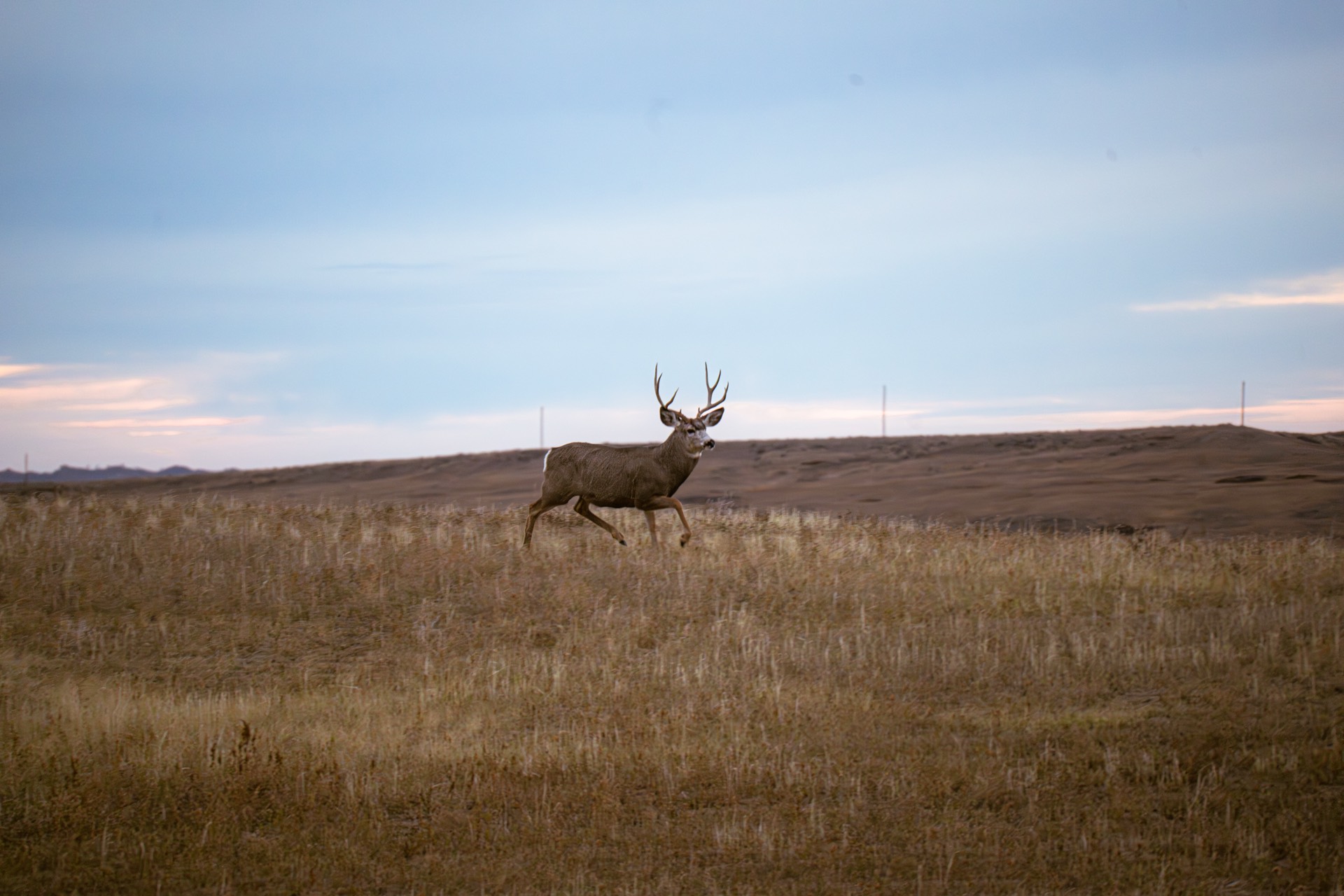
common opportunityThe bread-and-butter tag. It hunts as a late-season migratory unit — bucks push into the Bristol and Highland ranges and the northern country as weather moves them, with success historically in the high-40s percent.
- →Concentrate on the eastern Bristol and Highland ranges, which hold the best water and cover.
- →The northern end of the unit generally holds more deer — favor it over the dry south.
- →Time your effort to weather: a cold front or snow is what turns this into a real migratory deer hunt.
Pronghorn
common opportunityA solid desert-valley antelope unit with strong success (mid-70s percent) on limited tags. Bucks use the open sage and desert basins between the ranges.
- →Glass the open flats of Dry Lake and Lake valleys from a high vantage.
- →Watch water sources and guzzlers in dry stretches — antelope tie to them just like everything else.
- →Cover ground with optics; animals are spread thin across big country.
Rocky Mountain Elk
limited opportunityThe lowest elk density in this hunt area. A few animals hold in the Bristol and Highland ranges near water, and success has run around the low-50s percent on very few tags.
- →Build the whole hunt around reliable water in the eastern ranges — that is where the few elk are.
- →Pre-scout springs and guzzlers before the season to confirm animals are present.
- →Do not expect to find elk on the dry western side of the unit.
Bighorn Sheep
limited trophyA premium, essentially once-in-a-lifetime desert bighorn draw in the rocky desert ranges. Tags are minimal and success is high for those who draw.
- →Focus on the steep, rocky faces and cliff bands of the desert ranges.
- →Pre-scout with a spotting scope from valley vantages before the season.
- →Plan a long, water-focused effort — rams use rugged, hard-to-reach ground far from roads.
Pro tips
- →Water is the entire game here — map every spring and guzzler before you go.
- →The eastern Bristol and Highland ranges out-produce the dry western desert for everything.
- →Treat 223 as a late-season, weather-driven deer unit rather than an early-season elk unit.
- →The northern half of the unit generally holds more game than the south.
Watch out for
- !This is genuinely dry country with the lowest elk density in the area — set expectations accordingly.
- !Long desert two-tracks far from help; carry recovery gear, extra fuel and water.
- !Guzzlers and springs can go dry in drought years — verify water before committing to an area.
Logistics
Pioche and Panaca are the closest towns for fuel, food and lodging, with Caliente to the south and Ely up north on U.S. 93 as larger resupply hubs. Cell service is unreliable off the highways — carry paper maps or a GPS, and bring far more water than you think you need for this dry desert country.
Nearest towns: Pioche, Panaca, Caliente, Ely
Seasons & regulations
This page carries no season dates or regulations. Get current rules from the official Nevada sources:
Research sources: NDOW Hunt Unit Boundaries · NDOW Big Game Status Book (unit descriptions & harvest) · GOHUNT — Nevada Unit 223 Profile
FAQ
- How big is Unit 223 in Nevada?
- Unit 223 (Unit 223) covers about 1,129 square miles, ranging from roughly 5,500 to 9,000 feet in elevation. Area is computed from the unit boundary polygon.
- How much public land is in Unit 223?
- Approximately 97% of the unit is public land. Primary managers: BLM. Always verify ownership boundaries on the ground.
- What species does the catalog list for Unit 223?
- Mule Deer, Pronghorn, Rocky Mountain Elk, Bighorn Sheep. For seasons, tags, and regulations, use the official Nevada agency resources linked on this page — this page carries no regulatory information.
Put Unit 223 on your map.
Boundary lines, public/private ownership, topo, and offline maps for this unit — in Baseline Maps, free for 14 days.