Unit 88 Fillmore, Pahvant
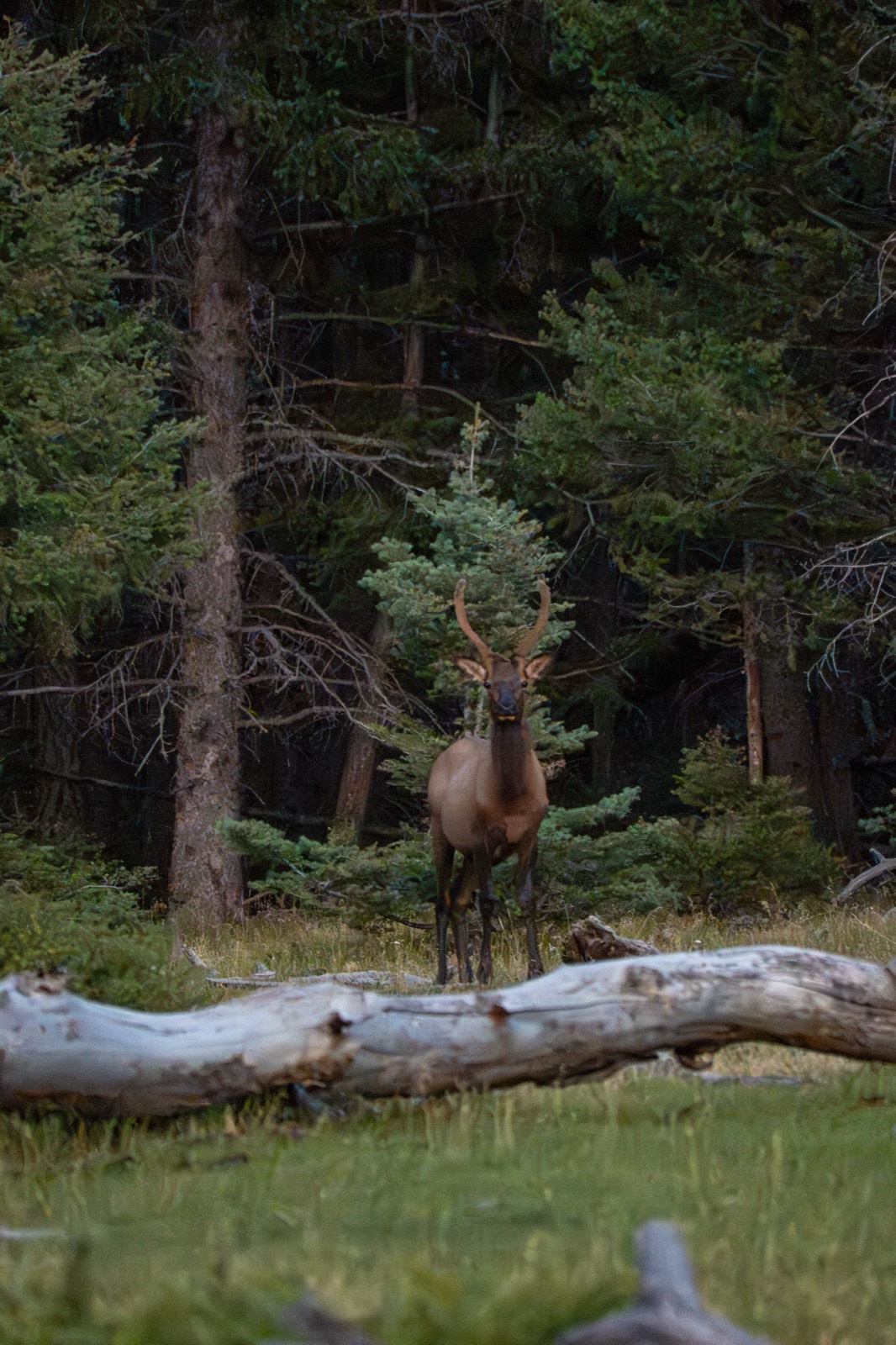
A royalty-tier limited-entry elk mountain — deeply timbered north slopes above the Pavant Valley that grow some of Utah's oldest, heaviest bulls
Central Utah — Pahvant Range (Fishlake NF, east of Fillmore) · Last reviewed 2026-07-12
Area
850
sq mi
Public land
88%
approx.
Elevation
4,900–10,466
feet
Motorized
moderate
access
Overview
The Fillmore/Pahvant unit is the Pahvant Range, a ~40-mile forested spine running north-to-south east of Fillmore, with more than 90% of the mountain in Fishlake National Forest. It is one of Utah's premier limited-entry elk units, managed for an exceptionally high harvested-bull age class (bulls commonly aged in the high-7 to 9-year range) and producing a few genuine giants every fall. Mule deer here have historically struggled and have been the focus of ongoing transplant efforts, so the unit's marquee draw is its trophy elk. Steep, ridge-broken west faces and gentler, rounded east and south country give the range its character.
Terrain
A long, high forested range topping out at Pioneer Peak (10,466 ft), with Mine Camp, Sunset and Coffee peaks all above 10,000 ft. The west side rises steeply off the Pavant Valley in abrupt faces; the east and southern slopes are more subtle and rounded. East-west ridges peel off the crest, creating repeated deeply timbered, north-facing draws.
Cover: High country carries large stands of aspen, spruce-fir and ponderosa/pinyon-juniper on the mid-slopes, with mountain brush, oakbrush and sage on the foothills. The far eastern and southern stretches break into red-rock canyon country. North-facing timbered slopes are the elk-holding cover.
Landmarks: Pioneer Peak · Mine Camp Peak · Sunset Peak · Coffee Peak · Pavant Valley / Fillmore · Chalk Creek · Meadow Creek · Kanosh Canyon
Access
The overwhelming majority of the mountain is Fishlake National Forest, with BLM and open SITLA state trust on the lower benches, so accessible public land is extensive. Private ranch ground and irrigated farmland ring the base along the Pavant Valley and Sevier River side — most trailhead approaches cross or skirt private, so use established Forest access roads. A network of Forest roads (Chalk Creek, Meadow, Kanosh, Corn Creek) climbs from the valley towns into the high country.
Managers: USFS Fishlake NF, BLM, SITLA, private
Access points: Chalk Creek road (from Fillmore) · Meadow Creek / Meadow approach · Kanosh Canyon and Corn Creek roads · I-15 corridor towns (Fillmore, Kanosh, Meadow) on the west · Richfield / US-50 approaches on the southeast
Species notes
Rocky Mountain Elk
common trophyThe signature hunt and a top-tier limited-entry bull unit. The Pahvant is managed for one of the highest bull age classes in Utah, routinely producing mature, heavy-antlered bulls and a handful of true giants each year. A hard-to-draw premium tag that rewards the age-class management.
- →Hunt the deeply timbered, north-facing draws off the east-west ridges where mature bulls bed in security cover
- →Work aspen/spruce-fir benches and dark timber during the rut for bugling bulls, glassing openings at first and last light
- →Set up on saddles and creek-head travel corridors between high bedding timber and lower feed
- →Glass the steeper west faces at daybreak, then still-hunt the shaded north slopes into the wind
- →Scout to locate the oldest bulls before the season — they hold in the thickest, least-pressured timber
Mule Deer
limited qualityDeer numbers on the Pahvant have historically been low and the herd has been rebuilt through transplants, so densities are modest even where habitat is good. Managed as a limited-entry buck unit, it can still produce a good mature buck for the hunter who grinds the aspen and oakbrush pockets.
- →Glass oakbrush and mountain-brush stringers on the transition benches at first and last light
- →Focus on aspen edges and north-slope pockets where bucks find cover and cool feed
- →Hunt the rut when mature bucks move and drop their guard in low-density country
- →Cover ground and be patient — this is a quality-over-quantity buck grind
Pronghorn
limited opportunityPronghorn use the open sage and desert flats of the Pavant Valley and lower benches on the range's western and northern skirts, an opportunity hunt across big open country.
- →Glass the open sage and valley benches and use terrain folds to close the distance across treeless flats
- →Watch green feed and water sources in the dry lowlands
Cougar
common qualityMountain lions follow the elk and rebuilding deer herds through the timbered canyon country. The steep, brushy range holds a healthy cougar population.
- →Cut fresh tracks on canyon-bottom and ridge roads after a fresh snow
- →Focus on deer-wintering benches and the timbered draws where cats travel and ambush
Black Bear
common qualityBlack bears use the oakbrush, aspen and creek-bottom timber of the range, concentrating in good acorn and berry years.
- →Hunt oakbrush, chokecherry and serviceberry benches during fall feed-up
- →Watch creek bottoms and spring-fed green pockets on the canyon slopes at first and last light
Pro tips
- →This is an elk unit first — if you draw the coveted tag, plan your hunt around the deeply timbered north slopes where the oldest bulls live
- →Learn the Forest access roads and legal crossings; private ranch ground rings the valley base and many approaches skirt it
- →Glass the steep west faces at daybreak, then hunt the shaded timber — mature bulls bed dark and thick
- →Expect a quality-over-quantity deer hunt; the herd is still rebuilding from transplants
- →Time your effort to the rut for bugling bulls and travelling bucks
Watch out for
- !Private ranch and farm ground rings the Pavant Valley base — verify access and boundaries before crossing
- !Upper Forest roads turn slick and rutted after rain or early snow
- !Low mule deer densities — manage expectations on the deer hunt
- !Spotty cell coverage off the I-15 corridor
- !Fire risk and closures possible in dry early seasons
Logistics
Fillmore, right on I-15, is the primary staging town with fuel, groceries and lodging; Kanosh, Meadow and Scipio are smaller trailhead-base options, and Richfield anchors the southeast. Forest roads into the high country are decent when dry but turn slick and rutted after rain or early snow — carry recovery gear and good tires. The mountain is compact enough to day-hunt from valley lodging, but the best bull country asks for early starts and hard climbing off the west faces. Cell service is spotty once you leave the I-15 corridor.
Nearest towns: Fillmore, Kanosh, Meadow, Richfield, Scipio
Seasons & regulations
This page carries no season dates or regulations. Get current rules from the official Utah sources:
Research sources: Pahvant Range — Wikipedia (geography, peaks, Fishlake NF) · GOHUNT — Utah Fillmore, Pahvant Elk Unit Profile (age class, terrain) · Hunt Addicts — Utah's Top Hunt Units (Pahvant elk quality) · UDWR Big Game Application Guidebook 2026
FAQ
- How big is Unit 88 in Utah?
- Unit 88 (Fillmore, Pahvant) covers about 850 square miles, ranging from roughly 4,900 to 10,466 feet in elevation. Area is computed from the unit boundary polygon.
- How much public land is in Unit 88?
- Approximately 88% of the unit is public land. Primary managers: USFS Fishlake NF, BLM, SITLA, private. Always verify ownership boundaries on the ground.
- What species does the catalog list for Unit 88?
- Rocky Mountain Elk, Mule Deer, Pronghorn, Cougar, Black Bear. For seasons, tags, and regulations, use the official Utah agency resources linked on this page — this page carries no regulatory information.
Put Unit 88 on your map.
Boundary lines, public/private ownership, topo, and offline maps for this unit — in Baseline Maps, free for 14 days.