GMU 371 GMU 371 — Summit Co.
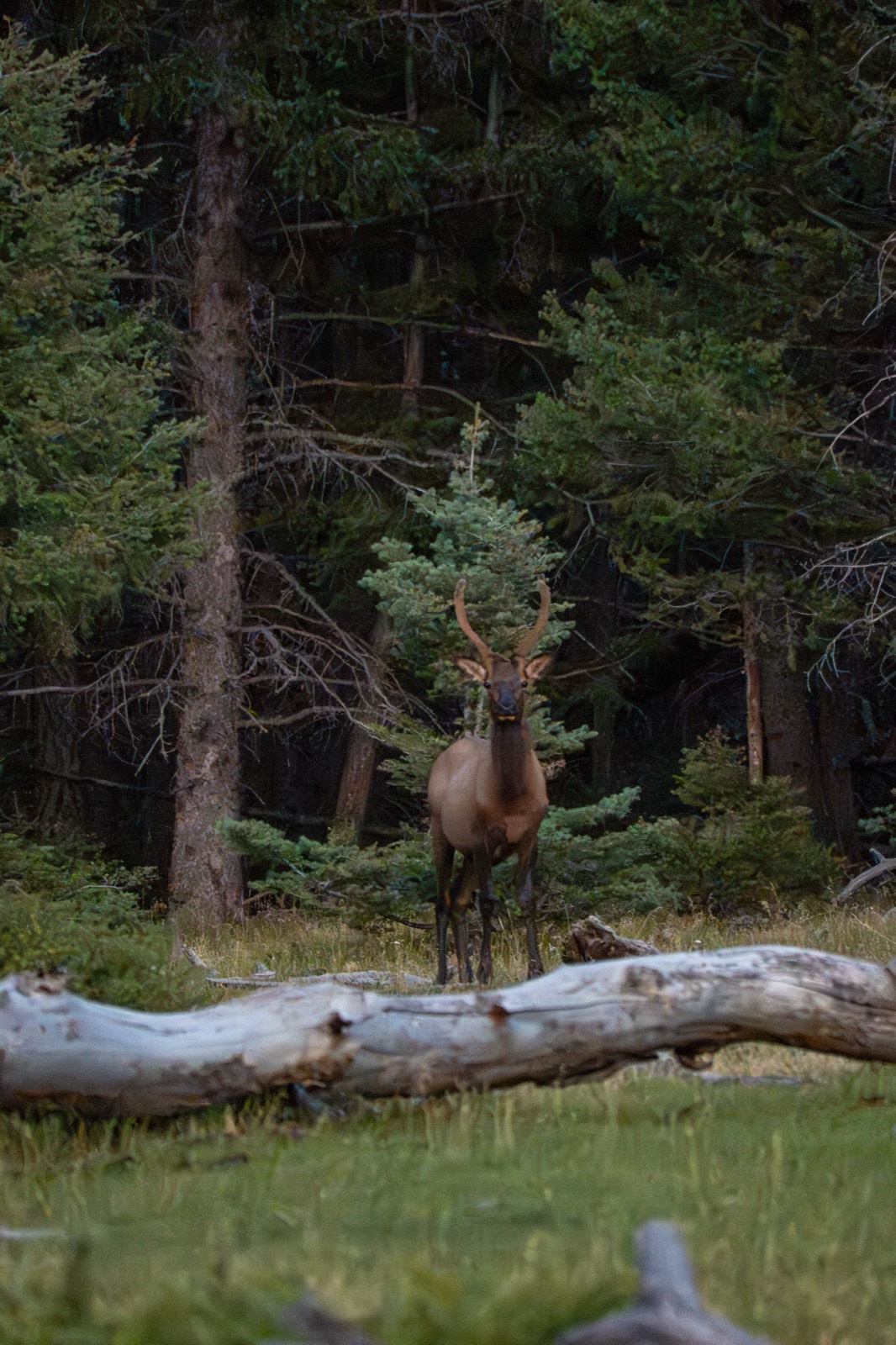
OTC bull elk in the rugged Gore Range wilderness above Silverthorne, backcountry-or-nothing high public land in Summit County
Central Colorado — Gore Range and Eagles Nest Wilderness · Last reviewed 2026-07-12
Area
172
sq mi
Public land
85%
approx.
Elevation
8,000–13,500
feet
Motorized
wilderness
access
Overview
GMU 371 is a compact, high-alpine unit built around the Gore Range west of Silverthorne and Frisco, dominated by the Eagles Nest Wilderness on the White River and Arapaho National Forest. It is nearly all public land but overwhelmingly steep, rugged wilderness — camping and hunting the high country means backpacking or packing in with horses. Elk are the marquee species with an over-the-counter bull component and are part of the greater White River herd system, though the terrain keeps harvest and success low and rewards only fit, committed hunters. Mule deer scatter through the aspen and timber benches, and a small moose population uses the willow basins.
Terrain
The abrupt east face of the Gore Range rising from the Blue River valley to a jagged alpine crest of 13,000-foot peaks, glacial cirques and hanging basins, nearly all within the Eagles Nest Wilderness.
Cover: Aspen and Gambel oak on the lower slopes giving way to dense lodgepole and spruce-fir conifer, then krummholz, willow basins and alpine tundra along the high crest.
Landmarks: Gore Range · Eagles Nest Wilderness · Mount Powell · Buffalo Mountain · Willow Lakes · Blue River
Access
The unit is almost entirely national forest and Eagles Nest Wilderness, so public land is abundant — but access is the challenge, not ownership: most of the country is trail-only wilderness reached on foot or horseback. Private subdivisions and developed land cluster along the Blue River, the Silverthorne–Frisco corridor and I-70; know where the forest boundary begins. Colorado State Trust Lands are generally NOT open to hunting unless enrolled in CPW's Public Access Program. No motorized travel is permitted in the wilderness.
Managers: USFS White River National Forest, USFS Arapaho National Forest, USFS Eagles Nest Wilderness, private (valley subdivisions)
Access points: Gore Range Trail and Eagles Nest Wilderness trailheads above Silverthorne · Rock Creek and Willow Creek trailheads · Blue River / CO Highway 9 valley access · North Tenmile / Frisco-side trailheads
Species notes
Rocky Mountain Elk
common opportunityThe headline species, part of the greater White River elk system, carrying an over-the-counter bull season (archery plus 2nd and 3rd rifle). The wilderness terrain keeps success low and pressure concentrated near trailheads — the payoff is undisturbed bulls for hunters willing to camp deep in the high basins.
- →Backpack or pack in with horses to hunt the high basins away from trailhead pressure
- →Glass timberline parks and dark-timber benches at first and last light
- →Work the aspen-to-conifer transitions on the lower slopes early season
- →Set up on drainages funneling elk toward the Blue River valley when snow arrives
Mule Deer
common qualityFully limited-draw deer scattered through the aspen, oakbrush and mid-elevation timber benches; fewer than in the lower valleys but genuine bucks hold in the broken terrain below the alpine.
- →Glass oakbrush and aspen pockets mornings and evenings
- →Work the aspen-to-conifer edges below the rock and tundra
- →Hunt accessible forest fringes where deer feed at dawn
Moose
limited qualityA small moose population uses the willow basins, beaver-pond complexes and spruce-willow riparian of the Gore Range; highly limited-draw only, but a genuine trophy hunt when a tag comes through.
- →Glass willow flats and beaver ponds in the high basins mornings and evenings
- →Check spruce-willow riparian edges along the creeks
- →Move slowly and glass — moose sit tight in the willows
Mountain Goat
limited trophyThe Gore Range holds mountain goats on the high alpine crest; tags are extremely limited-draw and hard to come by, but the country is classic goat terrain for those who draw.
- →Glass the highest cliff bands, cirques and tundra shelves near the crest
- →Plan a wilderness backpack hunt with steep, exposed retrieval
- →Locate goats from a distance and stalk from above
Black Bear
common opportunityBlack bear inhabit the aspen-and-oakbrush lower slopes, keying on serviceberry and berry crops through late summer and early fall.
- →Glass oakbrush and berry-laden hillsides in September
- →Concentrate on timber-brush edges below the conifer
- →Watch productive berry pockets at dawn and dusk
Pro tips
- →This is a fitness-and-backcountry unit — the elk are there but the wilderness terrain is the real filter
- →Camp deep past the day-hikers to reach undisturbed bulls in the high basins
- →Ride out early storms; snow drops elk into the aspen and lower timber where they're huntable
- →Plan retrieval before you shoot — packing an animal out of Gore Range terrain is brutal
- →Know the forest boundary along the Blue River and Silverthorne-Frisco corridor
Watch out for
- !Extremely steep, remote wilderness — plan retrieval, fitness and weather carefully
- !Foot/horseback access only across most of the unit; no motorized travel in the wilderness
- !Trailhead crowding concentrates pressure near the easy access points
- !State Trust Lands are closed unless enrolled in CPW's Public Access Program
- !Early-season snow closes high routes and strands the unprepared
Logistics
Silverthorne, Frisco and Dillon sit right at the unit's doorstep with full services — lodging, fuel, gear and processing. The catch is that services are easy and the hunting is hard: nearly everything worth hunting is a trailhead-and-boots proposition into the Eagles Nest Wilderness. Plan a backcountry camp, horse support or long day-hikes, and budget for weather that turns fast at elevation.
Nearest towns: Silverthorne, Frisco, Dillon, Breckenridge
Seasons & regulations
This page carries no season dates or regulations. Get current rules from the official Colorado sources:
Research sources: GOHUNT — Colorado Unit 371 Profile · HuntScore — GMU 371 Elk (Summit County) · CPW — Over-the-Counter (OTC) Licenses
FAQ
- How big is GMU 371 in Colorado?
- GMU 371 (GMU 371 — Summit Co.) covers about 172 square miles, ranging from roughly 8,000 to 13,500 feet in elevation. Area is computed from the unit boundary polygon.
- How much public land is in GMU 371?
- Approximately 85% of the unit is public land. Primary managers: USFS White River National Forest, USFS Arapaho National Forest, USFS Eagles Nest Wilderness, private (valley subdivisions). Always verify ownership boundaries on the ground.
- What species does the catalog list for GMU 371?
- Rocky Mountain Elk, Mule Deer, Moose, Mountain Goat, Black Bear. For seasons, tags, and regulations, use the official Colorado agency resources linked on this page — this page carries no regulatory information.
Put GMU 371 on your map.
Boundary lines, public/private ownership, topo, and offline maps for this unit — in Baseline Maps, free for 14 days.