Unit 78 78 (Bear River)
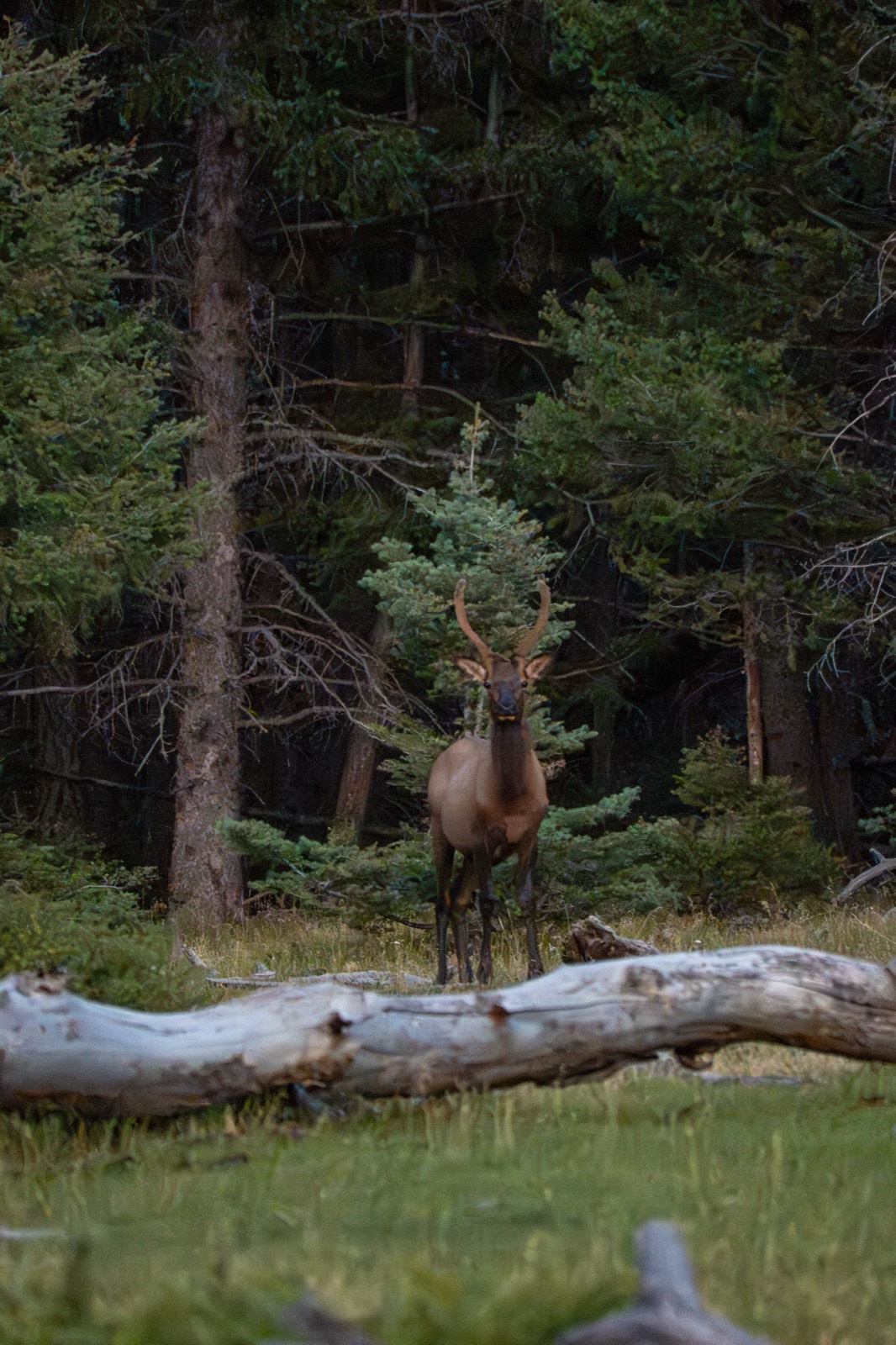
Heavily forested Bear River Range above the Bear Lake valley — a public-land general elk unit in the Bear River Zone.
Southeast Idaho — Bear Lake/Franklin County (Bear River Range / Bear Lake West) · Last reviewed 2026-07-12
Area
241
sq mi
Public land
72%
approx.
Elevation
5,900–9,500
feet
Motorized
moderate
access
Overview
Unit 78 sits on the west slope of the Bear River Range above the Bear Lake valley, spanning parts of Bear Lake and Franklin counties from the Idaho-Utah state line north through Ovid and the Emigration/Strawberry canyon country. It is the most heavily public and heavily timbered of the Bear River Zone units — over two-thirds Caribou-Targhee National Forest. Elk lead the harvest as a general-season opportunity, with a smaller and more limited mule deer take, a rare high-success controlled moose hunt, and an incidental black bear presence. Bloomington Lake and Minnetonka Cave sit within the range's western canyons.
Terrain
Steep, densely timbered Bear River Range ridges rise from the Bear Lake valley through Emigration, Strawberry, and Bloomington canyons to open subalpine crests near 9,000-plus feet.
Cover: Roughly 61% forest — aspen, Douglas-fir, subalpine fir, and lodgepole — over about 27% rangeland sagebrush and grass, with irrigated valley farm ground along the Bear Lake margin and scattered riparian bottoms.
Landmarks: Bear River Range · Bloomington Canyon / Bloomington Lake · Emigration Canyon · Strawberry Canyon · Minnetonka Cave · Paris Peak · Bear Lake valley
Access
About 72% public — dominated by USFS (~68%) on the Bear River Range, with private (~28%) concentrated in the Bear Lake valley bottoms. Forest roads climb the range through Emigration, Strawberry, and Bloomington canyons from Ovid, Paris, and Bloomington. This is the most accessible public-land unit of the Bear River Zone, though canyon roads dead-end into steep, roadless high country.
Managers: Caribou-Targhee NF (USFS), BLM, Idaho Dept of Lands (IDL)
Access points: Emigration Canyon-Strawberry Canyon Road from Ovid · Bloomington Canyon Road (to Bloomington Lake) · Paris Canyon Road · St. Charles Canyon Road (Minnetonka Cave) · U.S. 89 along Bear Lake
Species notes
Rocky Mountain Elk
common opportunityThe top harvest species and a general-season opportunity in the Bear River Elk Zone (Units 75/77/78). Elk use the heavy timber and aspen benches of the Bear River Range; success is typical of general Idaho elk, so getting deep into roadless timber pays.
- →Locate elk in the dark timber and aspen stringers of the upper Emigration and Bloomington canyons, then still-hunt
- →Hunt dawn and dusk on aspen-sage and timber edges where elk feed
- →Push past the canyon-road ends into steep, roadless crest country away from pressure
Mule Deer
limited opportunityA more limited deer opportunity here than in neighboring units — harvest and success run low, reflecting the heavy-timber habitat. Deer favor the aspen-sage edges and canyon mouths; hunters who work the transitions do best.
- →Glass aspen and maple-brush edges and canyon mouths above the Bear Lake valley at first and last light
- →Hunt the sage-timber transition, moving higher early and lower as snow builds
- →Still-hunt aspen pockets during the late-October rut
Moose
limited qualityA small controlled-hunt opportunity with very high success (recent tags near 100%) for the few who draw. Bulls use the wet willow bottoms and aspen-fir drainages of the Bear River Range.
- →Hunt willow bottoms, beaver ponds, and mountain meadows in the upper Bloomington and Emigration drainages
- →Scout forage and water before the hunt to pin down bulls
- →Work aspen and fir stringers on cool mornings when moose feed in the open
Black Bear
limited opportunityA light black bear presence in the timbered range — an incidental or spring/fall opportunity rather than a primary draw.
- →Glass green avalanche chutes, aspen, and berry benches in spring and early fall
- →Hunt chokecherry and serviceberry pockets as fruit ripens
- →Work forest edges and old cuts at first and last light
Pro tips
- →This is the most public and most timbered Bear River Zone unit — a strong pick for hunters who want to hunt elk on foot in dense forest.
- →Elk are the strength here; deer numbers and success are noticeably lower, so weight your plan toward elk.
- →Canyon roads (Emigration, Bloomington, Paris, St. Charles) dead-end into steep roadless country — the best hunting is often past the trailheads.
- →Elk hunting falls under the multi-unit Bear River Zone (75/77/78) — know the zone tag structure before you go.
- →Bloomington Lake, Minnetonka Cave, and Bear Lake draw heavy recreation traffic — expect non-hunters near the popular canyons.
Watch out for
- !Roughly 28% private in the Bear Lake valley bottoms — verify ownership at canyon-mouth access.
- !Early, deep snow closes the upper Emigration, Bloomington, and St. Charles canyon roads quickly.
- !Heavy timber makes elk recovery and pack-out demanding — plan for foot access and meat care.
- !Popular recreation sites (Minnetonka Cave, Bloomington Lake, Bear Lake) bring non-hunter traffic to the west canyons.
Logistics
Montpelier is the full-service hub (fuel, lodging, licenses, groceries) on U.S. 30/89; Paris, Ovid, and Bloomington offer limited supplies at the canyon mouths. Caribou-Targhee National Forest campgrounds sit up the Emigration, Bloomington, and St. Charles canyons, with Bear Lake State Park and the Bear Lake valley providing valley staging.
Nearest towns: Montpelier, Paris, Ovid, Bloomington, St. Charles
Seasons & regulations
This page carries no season dates or regulations. Get current rules from the official Idaho sources:
Research sources: IDFG Hunt Planner — Unit 78 (ownership %, habitat %, boundary, species) · IDFG Bear River Elk Zone (Units 75/77/78) description
FAQ
- How big is Unit 78 in Idaho?
- Unit 78 (78 (Bear River)) covers about 241 square miles, ranging from roughly 5,900 to 9,500 feet in elevation. Area is computed from the unit boundary polygon.
- How much public land is in Unit 78?
- Approximately 72% of the unit is public land. Primary managers: Caribou-Targhee NF (USFS), BLM, Idaho Dept of Lands (IDL). Always verify ownership boundaries on the ground.
- What species does the catalog list for Unit 78?
- Rocky Mountain Elk, Mule Deer, Moose, Black Bear. For seasons, tags, and regulations, use the official Idaho agency resources linked on this page — this page carries no regulatory information.
Put Unit 78 on your map.
Boundary lines, public/private ownership, topo, and offline maps for this unit — in Baseline Maps, free for 14 days.