GMU 23 Hoh Indian Reservation
Sovereign Hoh Tribal land at the mouth of the Hoh River — closed to the general public; not an open GMU.
WDFW Region 6 — Coastal / Olympic Peninsula (Jefferson County) · Last reviewed 2026-07-12
Area
1
sq mi
Public land
0%
approx.
Elevation
0–200
feet
Motorized
limited
access
Overview
GMU 23 corresponds to the Hoh Indian Reservation, a small (~440-850 acre) coastal reservation at the mouth of the Hoh River in Jefferson County, roughly halfway between Forks and Queets on the west end of the Olympic Peninsula. This is sovereign Hoh Tribal land, not general-season public hunting ground: hunting on the reservation is governed by the Hoh Tribe and is restricted to enrolled tribal members under tribal regulation, not by WDFW general seasons. For non-tribal hunters there is effectively no public opportunity inside the reservation boundary. The surrounding west-end Olympic country is rich Roosevelt elk and Columbian black-tailed deer habitat — the Hoh River valley holds the largest Roosevelt elk herd in Olympic National Park — but that game lives on adjacent National Park, Olympic National Forest, WDNR state forest and private-timber ground in neighboring GMUs, not on the reservation itself.
Terrain
A small, low, flat coastal parcel at the very mouth of the Hoh River where it meets the Pacific — sea level to only a couple hundred feet. Ocean beach, driftwood-piled shoreline, tidal river mouth and low coastal-forest terrace.
Cover: Coastal temperate rainforest and shoreline: Sitka spruce, western hemlock and western redcedar with dense salal/salmonberry understory, grading to open beach and estuary at the river mouth.
Landmarks: Mouth of the Hoh River (Pacific coast) · Hoh Indian Reservation village · US-101 (inland, east of the reservation) · Olympic National Park coastal strip (adjacent north/south) · Pacific Ocean shoreline
Access
This is tribal reservation land closed to general public hunting. Hunting is managed by the Hoh Tribe for enrolled members under tribal law; WDFW general and special seasons do not apply inside the reservation, and there is no dot-permit, fee or walk-in program for non-tribal hunters. Non-members should treat the entire unit as off-limits for hunting and respect tribal jurisdiction and private/community land. Hunters seeking Roosevelt elk or black-tailed deer on the west end should look to the surrounding GMUs on National Park (no hunting), Olympic National Forest, WDNR Olympic Experimental State Forest and private industrial timber instead.
Managers: Hoh Indian Tribe (reservation trust land)
Access points: Lower Hoh Road from US-101 to the reservation (tribal/community access)
Species notes
Roosevelt Elk
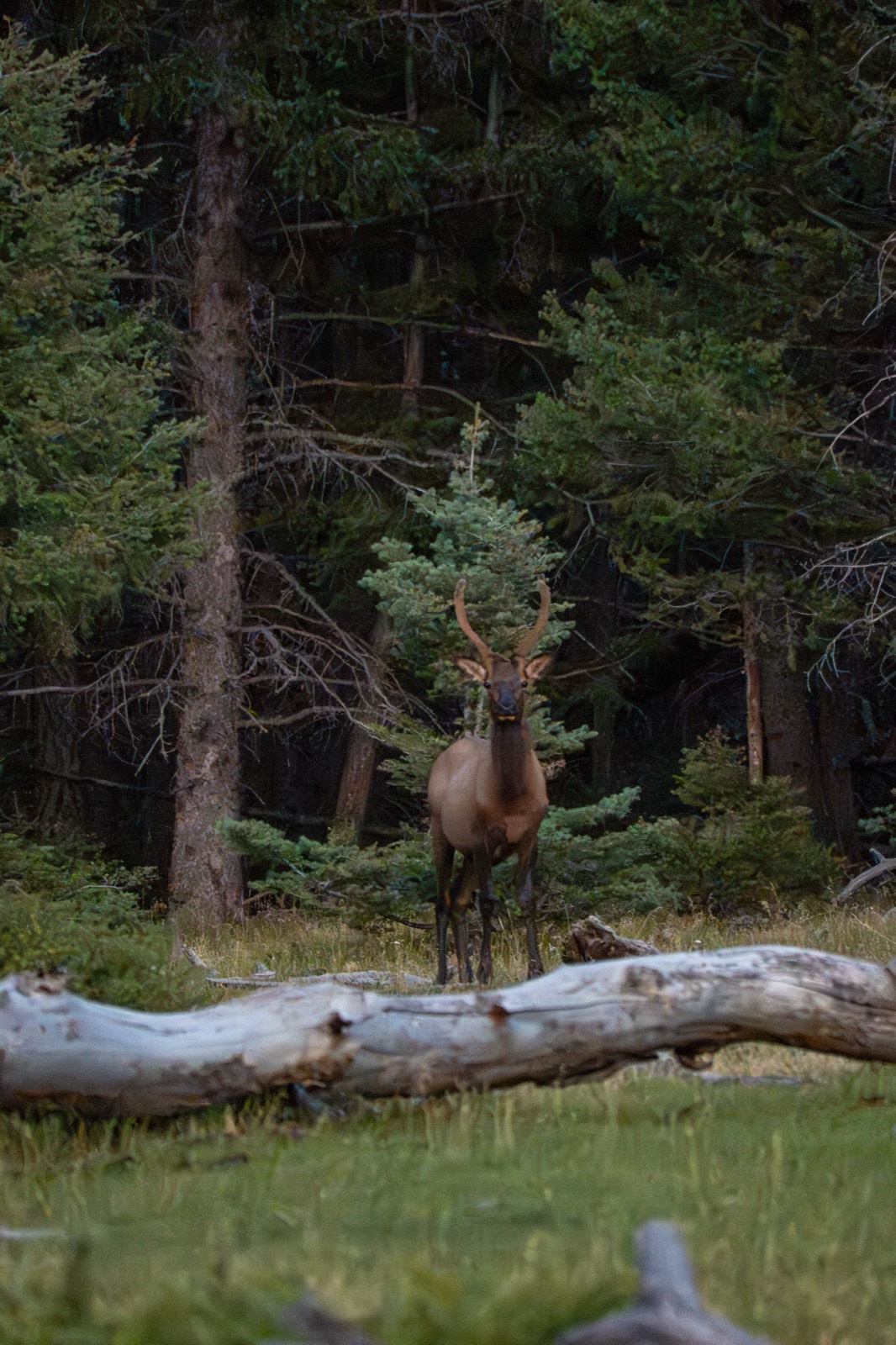
common qualityThe greater Hoh River drainage supports the largest Roosevelt elk herd in Olympic National Park (roughly 300 animals using the Hoh valley), and Roosevelt elk are culturally central to the Hoh and neighboring west-end tribes. On the reservation itself, however, any elk hunting is a tribal-member activity under Hoh Tribal regulation — there is no general-public elk season here. Non-tribal hunters must pursue Olympic Roosevelt elk in adjacent huntable GMUs on National Forest, DNR and private timber.
- →Not applicable for the general public on-reservation — this unit is closed to non-tribal hunting.
- →For west-end Roosevelt elk generally: work river-bottom benches, old clearcuts and edges at first and last light in adjacent public/timber GMUs.
- →Coordinate any lawful access with the appropriate landowner or tribal authority; respect reservation boundaries.
Blacktail Deer
common opportunityColumbian black-tailed deer are reliably present throughout the Hoh drainage and west-end coastal forest, but on the reservation they are a tribal resource hunted only by enrolled members under tribal rules. There is no general-public blacktail season inside GMU 23.
- →Not applicable on-reservation for non-tribal hunters.
- →For west-end blacktails generally: hunt clearcut edges, timber-company second growth and river benches at dawn/dusk in adjacent huntable units.
Black Bear
common opportunityBlack bear are abundant across the wet west-end Olympic timber, but as with deer and elk, any harvest on the Hoh Reservation is limited to tribal members under tribal regulation. No general-public bear opportunity exists within the reservation boundary.
- →Not applicable on-reservation for non-tribal hunters.
- →For west-end bear generally: glass regenerating clearcuts, berry fields and skunk-cabbage bottoms in spring and late summer on adjacent public/timber ground.
Pro tips
- →Do not plan a general-public hunt in GMU 23 — the Hoh Indian Reservation is closed to non-tribal hunting and is sovereign tribal land.
- →Respect the reservation boundary and tribal jurisdiction; use onX/GPS to stay off tribal and private land.
- →For Olympic Roosevelt elk and blacktail, shift to adjacent GMUs on Olympic NF, WDNR Olympic Experimental State Forest and private timber, and learn each landowner's access program.
- →Olympic National Park (which flanks the coast and the upper Hoh) is also closed to hunting — factor that into any west-end plan.
- →Enrolled Hoh tribal members should consult the Hoh Tribe's natural-resources/wildlife program for on-reservation regulations.
Watch out for
- !Entire unit is a tribal reservation closed to non-tribal hunting — trespassing on tribal land is a serious matter.
- !Adjacent Olympic National Park coastal strip is also closed to hunting.
- !Surrounding huntable ground is a checkerboard of National Forest, DNR and private industrial timber, each with its own access rules and gates.
- !Do not confuse the abundant Hoh-valley elk herd with an open opportunity — that game is on Park and tribal land or lives in neighboring units.
Logistics
The reservation is reached via the Lower Hoh Road off US-101 south of Forks, but access is for tribal members, residents and authorized visitors — it is not a hunting destination for the general public. Forks (north) is the practical services hub for the west end (fuel, lodging, groceries). Non-tribal hunters interested in Olympic Roosevelt elk or blacktail should base out of Forks and hunt the surrounding National Forest, DNR and private-timber GMUs under WDFW seasons and the applicable timber-company access programs.
Nearest towns: Forks, Queets
Seasons & regulations
This page carries no season dates or regulations. Get current rules from the official Washington sources:
Research sources: WDFW — Tribal hunting (co-management, tribal regulation of members) · Wikipedia — Hoh people / Hoh Indian Reservation (location, acreage, Jefferson County) · NPS — Roosevelt Elk, Olympic National Park (largest herd in the Hoh valley)
FAQ
- How big is GMU 23 in Washington?
- GMU 23 (Hoh Indian Reservation) covers about 1 square miles, ranging from roughly 0 to 200 feet in elevation. Area is computed from the unit boundary polygon.
- How much public land is in GMU 23?
- Approximately 0% of the unit is public land. Primary managers: Hoh Indian Tribe (reservation trust land). Always verify ownership boundaries on the ground.
- What species does the catalog list for GMU 23?
- Roosevelt Elk, Blacktail Deer, Black Bear. For seasons, tags, and regulations, use the official Washington agency resources linked on this page — this page carries no regulatory information.
Put GMU 23 on your map.
Boundary lines, public/private ownership, topo, and offline maps for this unit — in Baseline Maps, free for 14 days.