GMU 329 Quilomene
Big-public shrubsteppe breaks above the Columbia: Colockum-herd elk, the Quilomene bighorn herd, and District 8's top black bear unit.
Region 3 — Quilomene / Columbia Breaks (Kittitas County) · Last reviewed 2026-07-12
Area
285
sq mi
Public land
79%
approx.
Elevation
700–5,500
feet
Motorized
moderate
access
Overview
GMU 329 "Quilomene" is a ~285-square-mile shrubsteppe unit in WDFW District 8, running from broken conifer forest on its western edge down through rolling sage rangeland to the Columbia River, roughly 15 miles northeast of Ellensburg in Kittitas County. It is dominated by public land — around 79% — anchored by the WDFW Quilomene and Colockum wildlife areas plus L.T. Murray ground, with BLM and state parcels along the west and a private remainder near the ag fringe. The unit hosts a share of the ~4,000-head Colockum elk herd (known for high-quality bulls), the ram-only Quilomene bighorn sheep herd, and — notably — it is District 8's standout black bear producer, with the highest bear success rate in the district in recent seasons. Mule deer are present but sparse and genuinely hard to glass. Motor travel is governed by the Green Dot road system.
Terrain
Rolling-to-rugged rangeland that steps down from broken conifer ridges on the western border to expansive open sage benches, coulees, and rocky breaks dropping to the Columbia River on the east. It is 'more rugged than it looks from the roads' — deep draws and rimrock hide both country and game. Nearly 5,000 ft of relief between the river and the western high ground.
Cover: Shrubsteppe: sagebrush and bitterbrush over bunchgrass, with sage tall enough to conceal bedded animals; riparian stringers along streams and springs; mixed conifer (Douglas-fir, ponderosa) on the higher western fringe. Rocky cliff faces and talus along the Columbia breaks.
Landmarks: Columbia River (eastern border) · Quilomene Wildlife Area Unit · Colockum Wildlife Area · L.T. Murray Wildlife Area · Wild Horse Wind Facility (Hunt by Reservation, ~9,000 acres) · Parke Creek · Beacon Ridge · Green Gate entrance (Quilomene) · Vantage Highway (SR 10 corridor to the south)
Access
Roughly 79% public and rated a strong-access unit for District 8 — a big block of WDFW wildlife-area ground (Quilomene/Colockum/L.T. Murray) backed by BLM and DNR parcels on the west. Motor-vehicle travel on wildlife-area and DNR lands is governed by the Green Dot system: only roads marked with a round green reflector on a white marker are legally drivable; all other spur roads are closed to vehicles, and some carry seasonal closures. Green Dot maps print from home, load on smartphones, or can be picked up at wildlife-area headquarters, the WDFW Yakima regional office, and the DNR Southeast Region office in Ellensburg. Public hunters can also reserve access to the ~9,000-acre Wild Horse Wind Farm through WDFW's Hunt by Reservation system. A Discover Pass (or a Vehicle Access Pass bundled with an eligible hunting/fishing license) is required on WDFW lands. Roads are primitive — high-clearance/4WD advised, and avoid driving wet, soft roads.
Managers: WDFW (Quilomene Wildlife Area Unit), WDFW (Colockum Wildlife Area), WDFW (L.T. Murray Wildlife Area), WA DNR, BLM, Private (ag fringe, ~21%)
Access points: Parke Creek Road off Vantage Highway (primary west/south approach) · Beacon Ridge Road · Green Gate entrance to the Quilomene Wildlife Area Unit · Colockum-area Green Dot road network from the north/west · Boat access on the Columbia River to foot trails (bighorn country on the east breaks)
Species notes
Rocky Mountain Elk
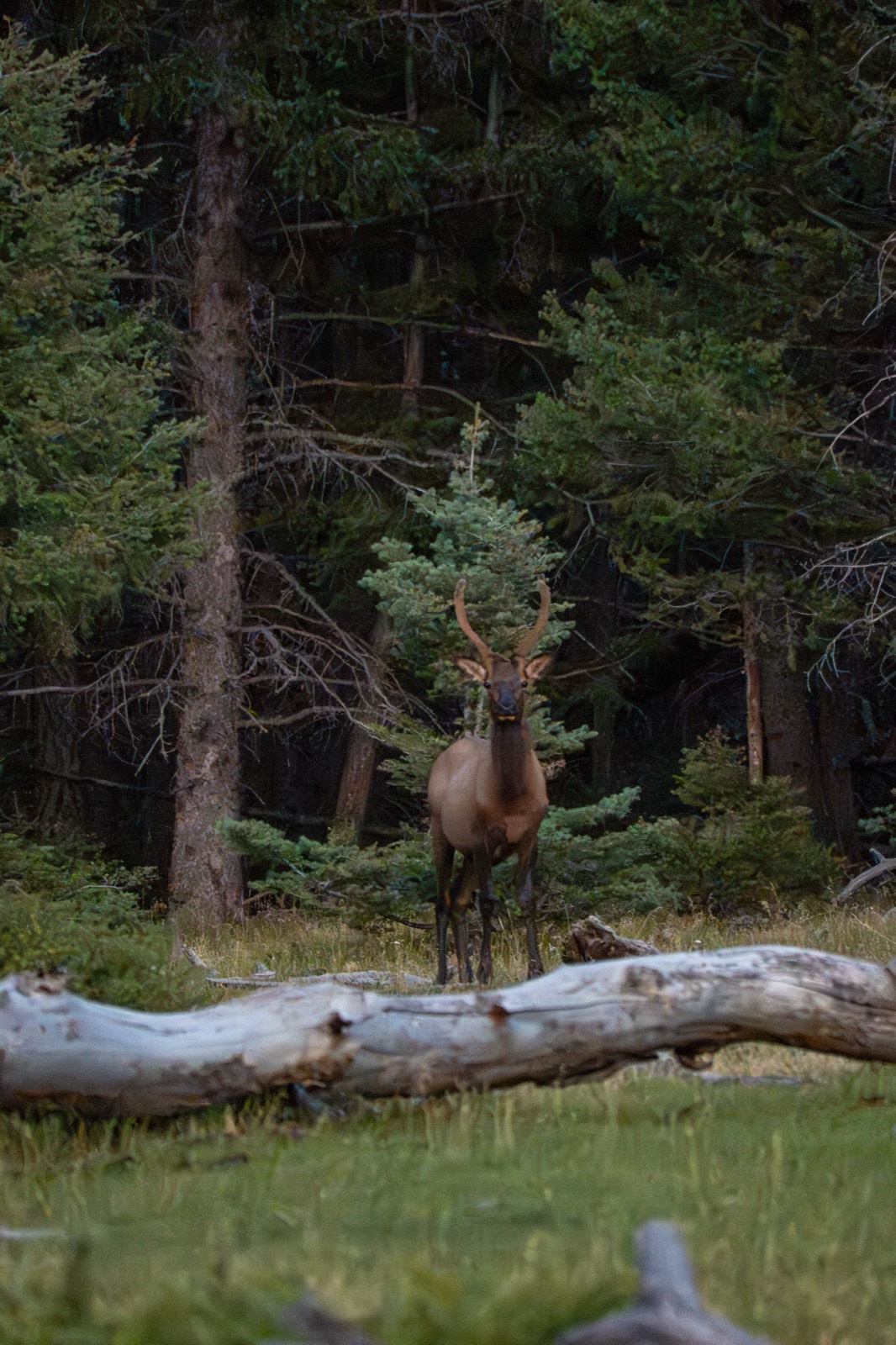
common qualityPart of the roughly 4,000-head Colockum elk herd, which carries a reputation for high-quality bulls — 329 sits in the district's Colockum quality-bull country. A 2023 winter survey put the herd at about 24 bulls:100 cows, exceeding objective and prompting nearly doubled special bull permits. In this open shrubsteppe, elk are sparser than in the timbered Yakima-herd units during the season, holding in cover and drainages or drifting toward private land; numbers swell as snow pushes animals down from surrounding mountains.
- →Glass big from the open sage benches and coulee rims at first and last light — this is optics country where you can cover miles
- →Once seasons open, hunt drainages that hold cover far from Green Dot roads; elk seek security away from the road corridors
- →Watch the snowline — early storms shift Colockum elk down toward the Columbia breaks and concentrate them
- →Opening weekend is crowded; the last days of modern firearm or the quieter archery/muzzleloader seasons offer a better-quality hunt
- →Consider the Wild Horse Wind Farm Hunt-by-Reservation ground for lower-pressure access
Black Bear
common qualityGMU 329 is District 8's standout black bear unit — it posted the district's highest bear success rate in the 2023 season (about 12 bears from ~90 hunters, roughly a 13% success rate) far above the district norm. Bears concentrate in the forested western and higher north end where berry and mast feed is best in fall.
- →Scout the forested western fringe and higher draws for ripening berries and other fall bear feed, then glass those openings dawn and dusk
- →Sit productive feed rather than covering ground — patience on a berry patch beats walking the open sage
- →Combine with a deer or elk hunt; even a top bear unit rewards time behind glass
- →Do not shoot a sow with cubs — fall females are often trailed by lagging cubs (30-50 lbs)
Bighorn Sheep
limited trophyThe unit anchors the Quilomene bighorn herd (Sheep Unit 13 spans GMUs 329, 330, and part of 251) — District 8 holds more than 70% of Washington's bighorns. This is a permit-only, ram-only hunt and a genuine trophy tag; sheep hold on the shrubsteppe-and-rocky-cliff breaks above the Columbia and can often be glassed from the river.
- →The best approach into the core sheep country is by boat on the Columbia River to foot trails — road access to the breaks is limited
- →Glass the rocky cliffsides and rimrock from the river or the benches above; rams are in rut mid-October through November and move more then
- →Treat this as a scout-heavy, once-in-a-lifetime tag — put in days learning the breaks before the opener
- →Report any sick or dead sheep to WDFW; the herd is monitored and some animals carry collars/ear tags (legal to harvest, return the collar)
Mule Deer
limited opportunityMule deer occur throughout but sightings are limited and deer are challenging to locate here — there are days when nothing gets glassed up. Numbers improve when snow concentrates deer lower toward the river. A general-season opportunity unit rather than a numbers unit.
- →Cover ground with optics from the coulee rims and sage benches at first and last light; the sage is tall enough to hide bedded deer
- →Hunt the timber-to-sage transition on the western fringe and brushy draws for midday security
- →Time later hunts to a snow event that pushes deer down toward the Columbia
- →Be willing to walk into the broken breaks away from roads — the country is more rugged than it looks and holds deer off the beaten spurs
Cougar
common opportunityCougars follow the deer, elk, and bighorn prey base across this big public block. Most are taken opportunistically by big-game hunters carrying a cougar tag; the season is harvest-cap managed and can close, so check status before and during your hunt.
- →Carry a cougar tag during general deer and elk seasons for the opportunistic encounter
- →After a fresh snow at the higher west end, cut Green Dot roads and ridgelines for tracks to follow up
- →Hunt where prey concentrates — the drainages and breaks holding deer and elk
- →Check the cap-managed hunt-area status regularly; areas can close mid-season
Pro tips
- →Hunt 329 for what it does best: it's District 8's top black bear unit and a legitimate Colockum quality-bull elk unit — set deer expectations lower
- →Glass big and walk in — the sage-and-coulee country is 'more rugged than it looks from the roads,' and the breaks away from Green Dot mains hold the game
- →Time your trip to the first real snow; it pushes Colockum elk and deer down toward the Columbia and concentrates them
- →Reserve the Wild Horse Wind Farm (~9,000 acres) through WDFW's Hunt by Reservation for lower-pressure public access
- →Download the Green Dot map and a public/private ownership layer before losing signal; know where the private ag fringe begins
- →If you draw the Quilomene ram tag, plan a boat approach on the Columbia and scout the rimrock hard before opening day
Watch out for
- !Green Dot rules are strict — only round-green-reflector roads are legal for motor vehicles on wildlife-area/DNR ground; other spurs and seasonally closed roads are off-limits
- !A Discover Pass (or Vehicle Access Pass with an eligible license) is required on WDFW lands
- !The ~21% private fringe near the ag edge requires permission — verify boundaries rather than assuming public
- !Interior roads are primitive and cliffy breaks are steep; high-clearance/4WD and caution on wet, soft roads are essential
- !Water is scarce in this shrubsteppe — carry your own; drought years suppress deer movement
- !Bighorn is a ram-only permit hunt with limited road access — don't plan a trip around sheep without the tag
- !Recent wildfires have reshaped forage and access; scout current conditions before the opener
Logistics
Ellensburg (I-90, ~15 miles southwest) is the practical hub for fuel, groceries, lodging, Green Dot maps, and the WDFW/DNR offices; Vantage on the Columbia anchors the southeast corner. Approach primarily via the Vantage Highway to Parke Creek Road and Beacon Ridge Road, or the Colockum Green Dot network from the north. Dispersed camping is allowed on the wildlife-area and DNR ground subject to fire restrictions; a Discover Pass or Vehicle Access Pass is required. Interior roads are primitive — bring high-clearance/4WD, recovery gear, and plenty of water, and download the Green Dot map before you lose cell service. For the bighorn breaks, plan a boat approach on the Columbia.
Nearest towns: Ellensburg, Kittitas, Vantage, Wenatchee, Cle Elum
Seasons & regulations
This page carries no season dates or regulations. Get current rules from the official Washington sources:
Research sources: WDFW 2024 District 8 Hunting Prospects — GMU 329 elk (Colockum herd), bear (top success rate 13.4%, 12 harvested), Quilomene bighorn, Green Dot, Wild Horse Hunt by Reservation · WDFW Quilomene Wildlife Area Unit (location NE of Ellensburg, shrubsteppe, deer/elk/bighorn, Parke Creek & Beacon Ridge access, Discover Pass) · GoHunt Washington Unit 329 Quilomene Profile (elevation 700-5,500 ft, ~79% public of 288 sq mi, Colockum/L.T. Murray wildlife areas, Wild Horse Wind Facility, terrain/vegetation) · WDFW Sheep Unit 13 Quilomene (GMUs 329, 330, part of 251) — ram-only bighorn hunt area
FAQ
- How big is GMU 329 in Washington?
- GMU 329 (Quilomene) covers about 285 square miles, ranging from roughly 700 to 5,500 feet in elevation. Area is computed from the unit boundary polygon.
- How much public land is in GMU 329?
- Approximately 79% of the unit is public land. Primary managers: WDFW (Quilomene Wildlife Area Unit), WDFW (Colockum Wildlife Area), WDFW (L.T. Murray Wildlife Area), WA DNR, BLM, Private (ag fringe, ~21%). Always verify ownership boundaries on the ground.
- What species does the catalog list for GMU 329?
- Rocky Mountain Elk, Black Bear, Bighorn Sheep, Mule Deer, Cougar. For seasons, tags, and regulations, use the official Washington agency resources linked on this page — this page carries no regulatory information.
Put GMU 329 on your map.
Boundary lines, public/private ownership, topo, and offline maps for this unit — in Baseline Maps, free for 14 days.