GMU 607 Sol Duc
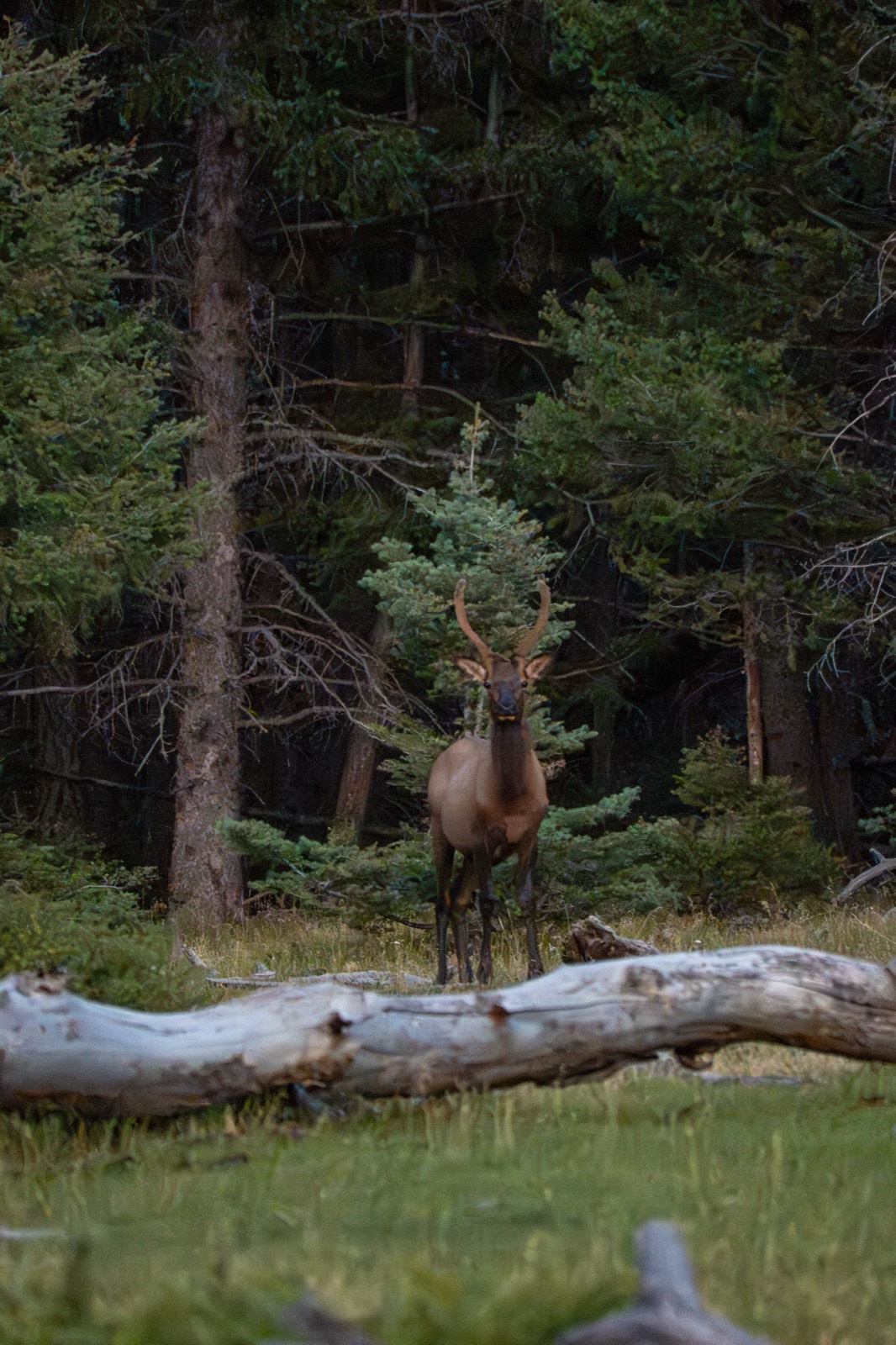
Forks-to-Sappho Roosevelt elk country — one of District 16's top bull units, with real public timber to hunt
WDFW Region 6 — Coastal / Olympic Peninsula (District 16) · Last reviewed 2026-07-12
Area
206
sq mi
Public land
55%
approx.
Elevation
250–3,500
feet
Motorized
moderate
access
Overview
GMU 607 (Sol Duc) wraps the Sol Duc River valley in western Clallam County, bounded by US 101 from Sappho south through Forks, the Bogachiel River, and the Olympic National Park boundary on the east. This is core Olympic Peninsula Roosevelt elk ground: along with Dickey (602), Goodman (612) and Clearwater (615) it produces District 16's highest bull-elk harvests and holds large blocks of public land, much of it without restricted access. Blacktail deer, by contrast, are sparse here (57 bucks in 2024) — Sol Duc is an elk-first destination. Land is a mix of WDNR state forest, Olympic National Forest, Nuveen-managed industrial timber and small private around Forks, with the ONP boundary closed to hunting on the east.
Terrain
A broad, wet river valley — the Sol Duc — climbing from the Forks lowlands eastward into timbered foothills against the Olympic National Park boundary, with the Bogachiel drainage forming the southern edge.
Cover: Temperate rainforest and managed second-growth: Sitka spruce, western hemlock, western redcedar and Douglas-fir over a dense salal, salmonberry, vine maple and sword-fern understory, broken by clearcuts and regenerating stands that provide the forage elk and bear key on.
Landmarks: Sol Duc River · Bogachiel River · Sappho (US 101 junction) · Forks · US 101 corridor · Olympic National Park boundary
Access
WDFW rates Sol Duc among the district's better-access elk units: it contains large acreages of public land, much of it without restricted access. That said, all these west-end GMUs include gated roads — some open to hunter access, others closed to the public. Nuveen Natural Capital holdings within 607 allow hunting with a free online permit (nncpermits.com). DNR and Olympic NF ground is open public land. Behind locked timber and DNR gates, foot and mountain-bike access is commonly allowed even where vehicles are barred. Read the signs at each gate and confirm current ownership — Rayonier recently sold much of its District 16 land to new managers.
Managers: WDNR, USFS Olympic National Forest, Nuveen Natural Capital (Olympic Peninsula Timberlands), Private (Forks-area timber & small ownerships), Olympic National Park (boundary, closed to hunting)
Access points: US 101 through Forks and Sappho · Sol Duc River / Sol Duc valley roads (DNR & USFS) · Bogachiel River corridor · Nuveen permit-access gates · Olympic National Forest road system (east)
Species notes
Roosevelt Elk
common qualityA top-tier District 16 elk unit. State hunters take about 30 bulls a year here (peaks of 53 in 2018 and 48 in 2019), with tribal hunters adding fewer than 10; the 2024 general bull harvest rebounded to about 20 after a very low 2023. Modern firearm is the dominant method, and Sol Duc has long been a muzzleloader elk stronghold. A 2018 antlerless permit was added to manage damage complaints around Forks. Harvest is three-point-minimum, bull-only in general season.
- →Hunt elk moving out of Olympic National Park down the Sol Duc and Bogachiel drainages during the season — animals leave the closed park onto huntable timber
- →Work public DNR and Olympic NF ground and Nuveen permit land where access isn't restricted
- →Glass river bottoms and clearcut/regeneration edges at first and last light
- →Muzzleloader hunters have historically done well here — scout gated road systems you can walk in behind
- →Remember three-point-minimum bull rules; antlerless is permit-only for damage
Blacktail Deer
limited opportunityDeer are sparse across the west end of District 16, and Sol Duc is among the district's lowest buck-harvest GMUs (57 bucks in 2024). Deer are here but at low density in the thick rainforest; treat blacktail as a secondary opportunity while elk hunting.
- →Hunt clearcut edges and regeneration where the limited deer concentrate to feed
- →Still-hunt slow through riparian brush along the Sol Duc and Bogachiel
- →Focus effort on open DNR/USFS ground rather than gated private
- →Expect to see few deer — patience and glassing openings beat covering ground in this cover
Black Bear
common opportunityCoastal BBMU black bear are present throughout, but 2024 hunter success in Sol Duc was among the district's lowest at 5% (4 bears from 75 hunters) — bears are common but hard to see in the dense rainforest. Most are taken opportunistically during deer and elk seasons.
- →Glass regenerating clearcuts for bears on salmonberry, salal, cascara and huckleberry
- →Sit good feed sign in cut units during the last light of day
- →Hike or bike behind gates to reach less-pressured berry ground on DNR/USFS land
- →No hounds or bait (statewide ban); mandatory premolar-tooth submission after harvest
Cougar
common opportunityCougars occur throughout the Sol Duc following elk and deer. Managed under the Cougar Hunt Management Unit structure with a harvest cap that can close the unit mid-season.
- →Hunt incidentally while elk or deer hunting; no hounds allowed in Washington
- →Call the cougar hotline (1-866-364-4868, updated Thursdays) before hunting to confirm the unit is open
- →Cut the river-bottom and timber-edge travel corridors where prey concentrate
Pro tips
- →Sol Duc is an elk unit first — if you want blacktail, hunt elsewhere in the district; if you want a real DIY Roosevelt bull hunt with public access, this is one of the best in District 16
- →Key on elk leaving Olympic National Park: scout the Sol Duc and Bogachiel drainages where animals cross onto huntable DNR/USFS/Nuveen ground
- →Pull a free Nuveen permit at nncpermits.com to open up their holdings inside the GMU
- →Walk or bike behind gated timber and DNR roads to reach lightly pressured elk and bear
- →This has been a strong muzzleloader elk unit historically — worth considering for that weapon choice
Watch out for
- !The Olympic National Park boundary is the east edge — hunting in ONP is unlawful; know exactly where the line is
- !Rayonier sold most of its District 16 holdings to three new managers whose access plans aren't all public — verify current ownership and read the gate signs
- !Gated roads are common; some open to hunters, some closed — an open gate does not mean motorized access is allowed
- !Relentless rain and mud can strand vehicles on backcountry timber roads — carry recovery gear
- !Antlerless elk is permit-only (damage management); general season is three-point-minimum bull
Logistics
Forks sits inside the unit and is the practical base — fuel, groceries, lodging, gear. US 101 is the spine, connecting Sappho, Forks and (east) Port Angeles. Cell coverage is reasonable in the US 101 corridor and fades on the valley timber roads. Dispersed camping is available on Olympic NF and DNR ground; do not camp on private industrial timberland.
Nearest towns: Forks, Sappho, Beaver, Port Angeles
Seasons & regulations
This page carries no season dates or regulations. Get current rules from the official Washington sources:
Research sources: WDFW 2025 District 16 Hunting Prospects (Region 6) · WDFW GMU 607 (Sol Duc) boundary map · WA Admin Code 220-410-060 — Region 6 GMU boundary descriptions · WDFW Game Management Units
FAQ
- How big is GMU 607 in Washington?
- GMU 607 (Sol Duc) covers about 206 square miles, ranging from roughly 250 to 3,500 feet in elevation. Area is computed from the unit boundary polygon.
- How much public land is in GMU 607?
- Approximately 55% of the unit is public land. Primary managers: WDNR, USFS Olympic National Forest, Nuveen Natural Capital (Olympic Peninsula Timberlands), Private (Forks-area timber & small ownerships), Olympic National Park (boundary, closed to hunting). Always verify ownership boundaries on the ground.
- What species does the catalog list for GMU 607?
- Roosevelt Elk, Blacktail Deer, Black Bear, Cougar. For seasons, tags, and regulations, use the official Washington agency resources linked on this page — this page carries no regulatory information.
Put GMU 607 on your map.
Boundary lines, public/private ownership, topo, and offline maps for this unit — in Baseline Maps, free for 14 days.