GMU 652 Puyallup
Urban-edge farmland between Puyallup and Enumclaw: damage-hunt elk and rising blacktail on hard-won private ground.
WDFW Region 6 — South Puget Sound (District 11) · Last reviewed 2026-07-12
Area
725
sq mi
Public land
1%
approx.
Elevation
0–700
feet
Motorized
moderate
access
Overview
GMU 652 "Puyallup" is a large (~725-square-mile), low-elevation unit in WDFW District 11 filling the urbanized South Puget Sound lowlands between Puyallup, Orting, Buckley, Graham, and Enumclaw, with Joint Base Lewis-McChord anchoring the southwest. It is almost entirely private residential and agricultural land — roughly 99% private — so this is a 'hunt by permission' unit where access, not game, is the limiting factor. WDFW manages 652 largely to control conflict: elk are increasing on farmland and hobby farms, and the district runs liberal general seasons plus antlerless damage hunts (Elk Area 6014 near Buckley/Enumclaw) to keep numbers in check. Deer harvest and success have climbed steadily here over the past three years, and it produces some of District 11's highest elk harvest despite the urbanization.
Terrain
Flat to gently rolling Puget lowland under about 700 ft: a patchwork of farmland, hobby farms, ranchettes, river bottoms, and residential development, threaded by the Puyallup, Carbon, and White river valleys. Urbanized in the north, agricultural with scattered homes toward the southeast, and JBLM/McChord military ground in the southwest. No mountain country — this is settled lowland.
Cover: Agricultural fields, pasture, and hay ground interspersed with residential parcels, riparian cottonwood/alder bottoms, and remnant patches of Douglas-fir/mixed lowland forest. Edge cover along creeks, woodlots, and field margins concentrates deer and elk near the developed matrix.
Landmarks: Puyallup River and Carbon River valleys · White River corridor (northern boundary area near Buckley/Enumclaw) · Joint Base Lewis-McChord / McChord Field (southwest) · Muckleshoot Indian Reservation (Elk Area 6013) · Graham, Orting, Buckley, and Enumclaw farm country · Highway 410 / Highway 162 lowland corridors
Access
Access is the whole game in 652: roughly 99% private, so nearly all hunting is by landowner permission. WDFW's guidance is to line up written permission weeks before the season — elk are plentiful in the damage areas but access onto the private farmland is the primary limitation. Elk Area 6014 (Buckley/Enumclaw, mostly ag land and hobby farms holding ~150-200 elk) offers liberal three-point-minimum/antlerless general and permit seasons, but interested hunters are urged to secure access before applying. Elk Area 6013 has been shrunk to essentially the Muckleshoot Reservation, where hunting is conserved for tribal purposes. JBLM offers regulated hunting through its iSportsman computer/smartphone platform. Be aware of Pierce County firearm-restriction (no-shooting) zones mapped on the county GIS — the urban matrix carries real discharge limits.
Managers: Private residential / agricultural landowners, Joint Base Lewis-McChord (JBLM, iSportsman access), Muckleshoot Indian Tribe (reservation, Elk Area 6013), Manulife (small timber inholdings), Scattered small parcels
Access points: Landowner-permission access across Graham, Orting, Buckley, and Enumclaw farm country · JBLM recreational hunting via the iSportsman registration platform · Highway 410 / Highway 162 lowland road network · WDFW Region 6 / District 11 office for damage-hunt and private-lands coordination
Species notes
Roosevelt Elk
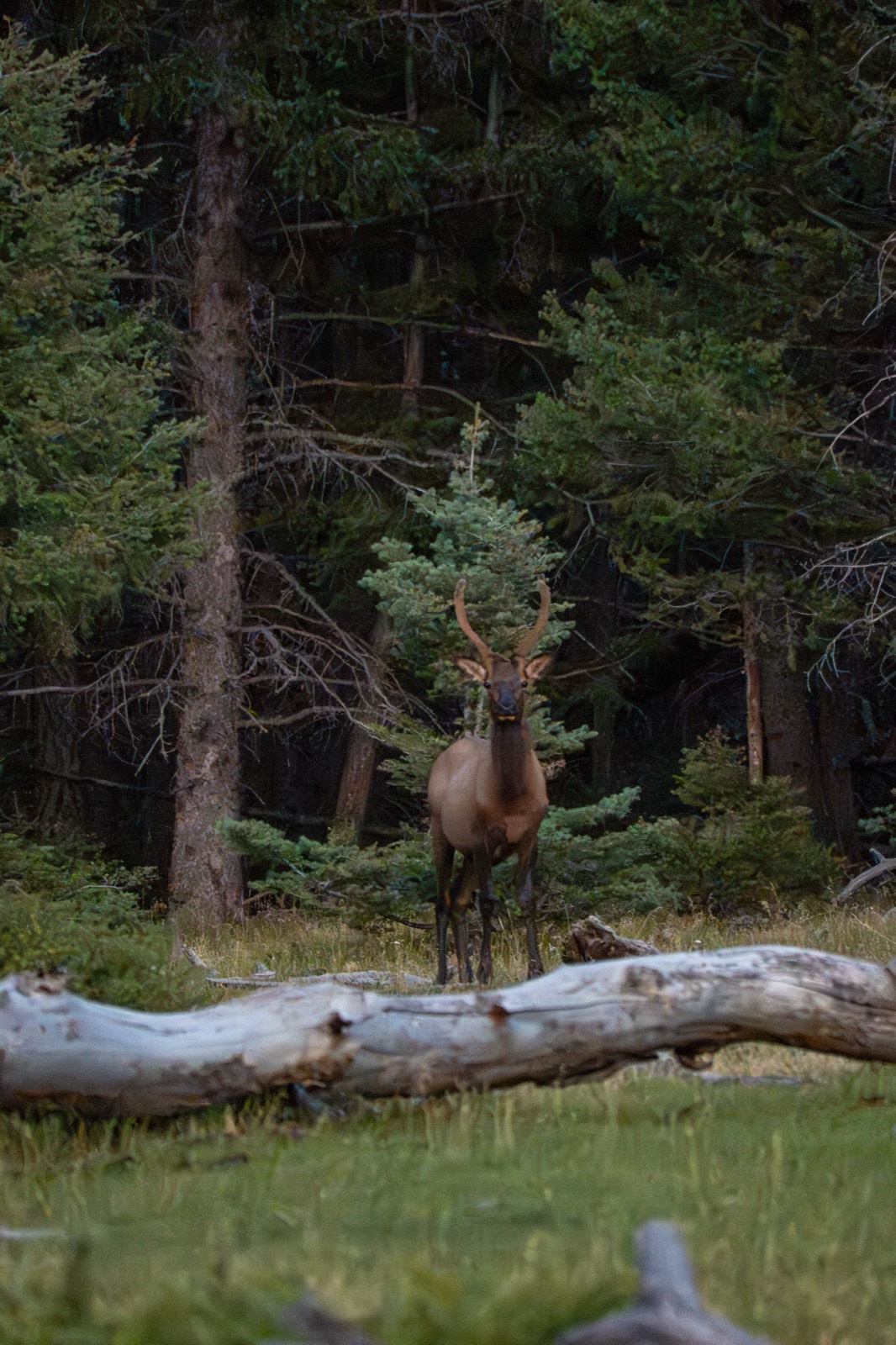
common opportunityGMU 652 is a top District 11 elk producer, driven by a growing lowland herd that spills onto farmland around Graham, Orting, Buckley, and Enumclaw as the North and South Rainier herds recover. General-season harvest has trended up over the past seven years (with a 2020 spike), and 652 has among the district's highest elk hunter-success rates. Managed heavily for damage control via Elk Area 6014 antlerless/three-point seasons — note Manulife has closed antlerless hunting on its 652 ownership for the foreseeable future.
- →Secure written landowner permission on farmland weeks before the season — access, not elk, is what limits you here.
- →Target the Buckley/Enumclaw damage country (Elk Area 6014) where 150-200 elk concentrate on ag land and hobby farms.
- →Scout field-edge and riparian cover along the Puyallup, Carbon, and White river bottoms where elk stage between feed and cover.
- →Consider the winter antlerless damage hunts (up to 10 elk per hunt) if you can lock down access to a damage property.
- →Respect the Muckleshoot Reservation boundary (Elk Area 6013) — that elk resource is managed for tribal hunting.
Blacktail Deer
common opportunityColumbian black-tailed deer densities benefit from the urban-edge habitat and comparatively light pressure, and GMU 652 deer harvest and success have steadily increased over the past three years. It's comparable to neighboring Deschutes (666) in hunter numbers and success — both urbanized units where pockets of higher deer density form away from development. Liberal seasons reflect WDFW's conflict-management approach in the lowlands.
- →Knock on doors early — the best blacktail ground is private farmland and woodlots that require permission.
- →Hunt field edges, creek bottoms, and woodlot margins at first and last light where deer feed the ag/cover interface.
- →Work the pockets of higher deer density that build up in the urban-edge matrix away from houses and roads.
- →Time effort to the late-October/early-November rut for the best chance at a mature buck.
- →Mind Pierce County no-shooting zones — legal-discharge geography shapes where you can actually hunt.
Black Bear
limited opportunityBlack bear are present in 652 as part of the Coastal BBMU, but at lower density and harvest than the timbered eastern District 11 units — the seven-year average is roughly 13 bears taken annually by about 144 hunters (~9.5% success). The long Aug. 1-Nov. 15 general season and two-bear limit apply, but the urbanized, farm-dominated habitat makes this a secondary opportunity.
- →Hunt the more-forested and riparian fringes of the unit rather than the open farmland core.
- →Glass berry-rich edges and cover pockets at dawn and dusk in early fall.
- →Carry the bear tag while deer or elk hunting on permitted ground — most bears here are incidental.
- →Secure landowner permission first; the bear cover is on the same private parcels as the deer and elk.
Cougar
limited opportunityCougars are widespread across District 11 forestlands but thinner in the urbanized 652. It is grouped with Deschutes (666) in a cougar hunt management unit carrying a harvest cap of four independent-aged cougars. Most are taken incidentally, and the settled habitat makes 652 a low-odds cougar unit relative to the timbered east side of the district.
- →Treat cougar as an incidental tag while hunting deer and elk on the forested fringes.
- →Focus where deer concentrate along river bottoms and woodlots — cougars follow the prey.
- →Call the WDFW cougar hotline (1-866-364-4868, updated Thursdays) — the four-cougar cap can close the season.
- →Cut for tracks after any rare snow along creek corridors and cover edges.
Pro tips
- →Lock down landowner permission weeks before you apply for a damage-area permit — WDFW says access is the primary limitation here, not elk.
- →The Buckley/Enumclaw Elk Area 6014 farm country is your best elk bet; it holds a concentrated 150-200-elk herd on ag land.
- →Register for JBLM hunting through iSportsman for a managed, permission-style public-adjacent option in the southwest.
- →Map Pierce County no-shooting zones before the season — the urban matrix carries real discharge restrictions.
- →Blacktail success is rising here and pressure is light; small permitted parcels can be quietly productive.
- →Know the Muckleshoot Reservation boundary (Elk Area 6013) — that ground is managed for tribal hunting.
Watch out for
- !Roughly 99% private, 'hunt by permission' — with no meaningful public land, no access means no hunt.
- !Pierce County firearm/no-shooting restriction zones cover much of the developed matrix; confirm legal discharge areas on the county GIS.
- !Manulife has closed antlerless elk hunting on its 652 timber inholdings for the foreseeable future.
- !Elk Area 6013 is essentially the Muckleshoot Reservation and is managed to conserve elk for tribal purposes — not open general ground.
- !JBLM access requires iSportsman registration and follows its own rules and closures.
- !Damage-hunt permits are of little use without pre-arranged access to the specific conflict property.
Logistics
This is a front-country unit — full services in Puyallup, Sumner, Bonney Lake, Buckley, and Enumclaw mean motels, fuel, and groceries are never far. There is no dispersed-camping public land to speak of; plan to day-hunt from town or a landowner's property. The single biggest logistical task is arranging access: identify and contact private landowners (or register for JBLM via iSportsman) weeks ahead, and map the Pierce County firearm-restriction zones so you know where discharge is legal.
Nearest towns: Puyallup, Orting, Buckley, Enumclaw, Graham
Seasons & regulations
This page carries no season dates or regulations. Get current rules from the official Washington sources:
Research sources: WDFW 2025 District 11 Hunting Prospects — GMU 652 Puyallup elk (Elk Areas 6013/6014, damage hunts, PMU 62 harvest), deer trends, Coastal BBMU bear table, cougar CHMU cap · WDFW 2023 District 11 Hunting Prospects · GoHunt — Washington Unit 652 Puyallup profile (elevation 0-700 ft, ~99% private, JBLM/McChord, urban/ag terrain) · WDFW Game Management Units (GMU boundaries & maps)
FAQ
- How big is GMU 652 in Washington?
- GMU 652 (Puyallup) covers about 725 square miles, ranging from roughly 0 to 700 feet in elevation. Area is computed from the unit boundary polygon.
- How much public land is in GMU 652?
- Approximately 1% of the unit is public land. Primary managers: Private residential / agricultural landowners, Joint Base Lewis-McChord (JBLM, iSportsman access), Muckleshoot Indian Tribe (reservation, Elk Area 6013), Manulife (small timber inholdings), Scattered small parcels. Always verify ownership boundaries on the ground.
- What species does the catalog list for GMU 652?
- Roosevelt Elk, Blacktail Deer, Black Bear, Cougar. For seasons, tags, and regulations, use the official Washington agency resources linked on this page — this page carries no regulatory information.
Put GMU 652 on your map.
Boundary lines, public/private ownership, topo, and offline maps for this unit — in Baseline Maps, free for 14 days.