GMU 5A Unit 5A — Flagstaff
Anderson Mesa trophy elk and pronghorn country southeast of Flagstaff.
Anderson Mesa & Mormon Lake — Coconino NF · Last reviewed 2026-07-12
Area
693
sq mi
Public land
90%
approx.
Elevation
6,400–8,000
feet
Motorized
extensive
access
Overview
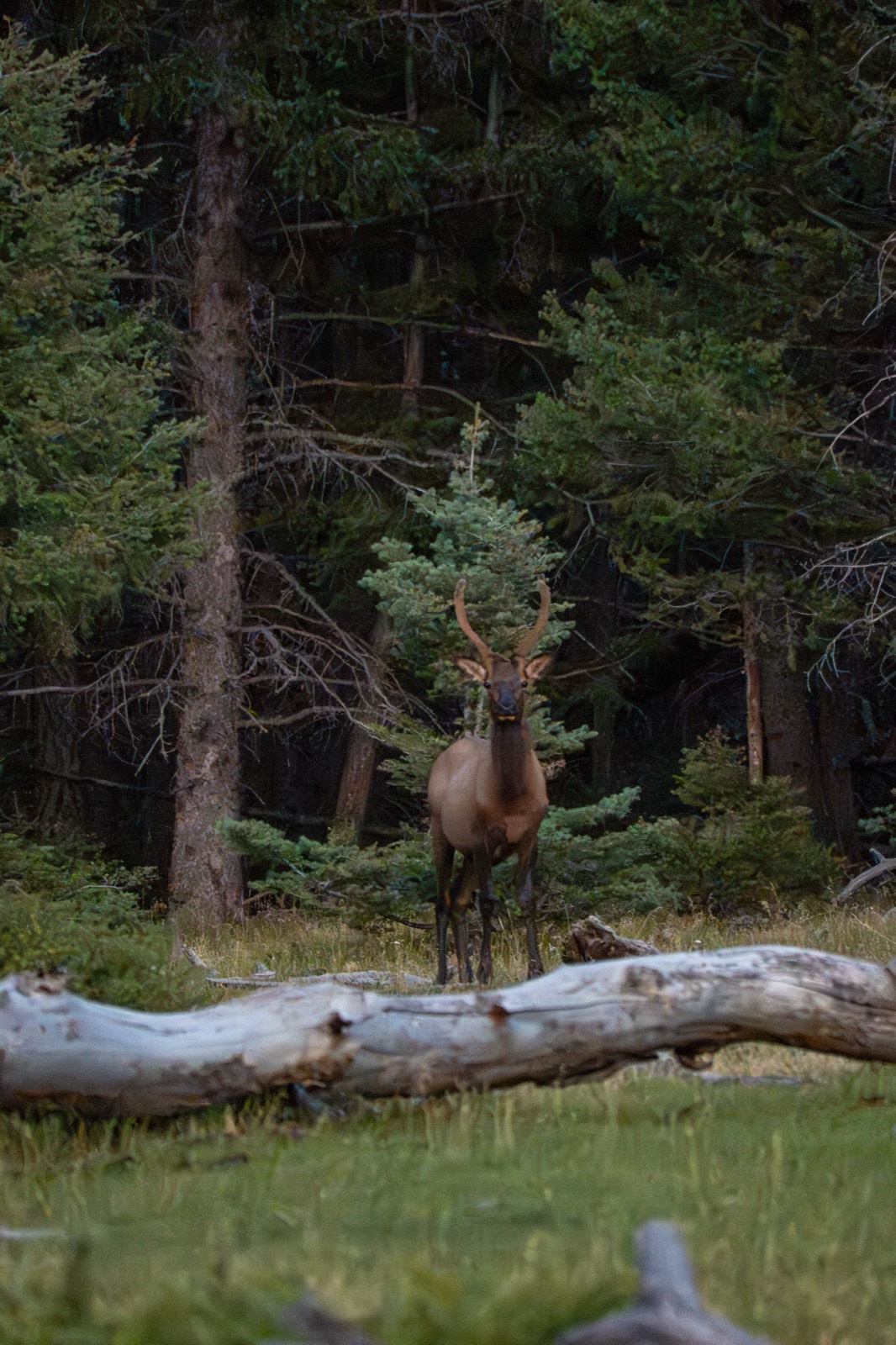
Unit 5A covers the Anderson Mesa and Mormon Lake country southeast of Flagstaff on the Coconino National Forest — big ponderosa pine forest broken by expansive grassland parks and shallow lakes. It is one of Arizona's premier limited-entry Rocky Mountain elk units, with a strong annual bull harvest and trophy potential, and the open grassland parks of Anderson Mesa hold a well-known pronghorn population. Mule deer work the timber and meadow edges, and black bear roam the pine and canyon country.
Terrain
A high, gently rolling forested plateau (Anderson Mesa) studded with large grassland parks and shallow lakes, dropping off along the mesa rim into lower canyon and juniper country.
Cover: Ponderosa pine forest interlaced with extensive grassy parks and meadows; scattered Gambel oak; pinyon-juniper and grassland along the lower mesa edges; wet meadows and lake margins.
Landmarks: Anderson Mesa · Mormon Lake · Lake Mary (Upper & Lower) · Ashurst Lake · Mormon Mountain
Access
Almost entirely Coconino National Forest, opened by a good network of forest roads (Lake Mary Road corridor, FR 125, FR 135 and spurs). Higher country and the lakes area can hold snow and mud on late hunts. State Trust parcels require an Arizona State Land recreation permit. No general tribal-land closures inside this unit.
Managers: USFS Coconino NF (Mormon Lake RD), AZ State Trust, Private (scattered inholdings)
Access points: Lake Mary Road (FH 3) from Flagstaff · Mormon Lake Road · FR 125 / FR 135 (Anderson Mesa) · I-17 and Hwy 87 on the west/south approaches
Species notes
Rocky Mountain Elk
common trophyA marquee limited-entry elk unit — the Anderson Mesa/Mormon Lake herd produces quality bulls with solid success (upper-30% range), and the meadow-park habitat makes for classic, glass-and-close elk hunting.
- →Glass the big grassland parks and meadow edges at first and last light where bulls feed
- →Bugle-locate rutting bulls along the timber-park edge, then close through the pines
- →Hunt near the lakes, wet meadows, tanks and wallows in dry early hunts
- →Work the mesa-rim breaks where elk shift between feed and cover
Pronghorn
common qualityAnderson Mesa's open grassland parks hold a well-known pronghorn population — quality bucks and good success (around 70%) on a managed number of coveted tags.
- →Glass the large grassland parks from the mesa's high points and roads
- →Spot-and-stalk using the timber fingers and terrain rolls to close in the open
- →Waterholes, tanks and lake margins concentrate animals in dry stretches
- →Judge horn length and mass carefully — this is a quality-buck unit
Mule Deer
common opportunityMule deer hold the pine timber, oak pockets and meadow-park edges — a steady general-season opportunity hunt rather than a trophy draw.
- →Glass meadow and oak edges at dawn and dusk
- →Still-hunt pine ridges and the mesa-rim breaks
- →Focus transition zones between grassland parks and timber
Black Bear
common opportunityBlack bear are distributed through the pine, oak and canyon country of the mesa — a reliable fall opportunity keyed to available mast.
- →Glass oak-brush slopes and canyon heads when acorns are on
- →Hunt near water in warm early seasons
- →Check north-facing timber and drainage bottoms during midday heat
Pro tips
- →Elk and pronghorn here are premium limited-entry draws — build bonus points; no OTC bull tag.
- →Hunt the timber-park edge at first and last light — the signature Anderson Mesa elk setup.
- →The lakes, wet meadows and stock tanks are elk magnets on dry early hunts.
- →Glass the open parks for pronghorn from the mesa's high vantage points.
- →OTC archery deer is a genuine way to hunt this unit outside the coveted draws.
Watch out for
- !Elk and pronghorn tags are hard-to-draw limited-entry — do not expect an OTC opportunity for them.
- !State Trust parcels require an Arizona State Land recreation permit.
- !Monsoon lightning and flash flooding in late summer; forest roads and mesa two-tracks turn to mud.
- !Early snow and cold on late-fall hunts at 7,000-plus feet.
- !Fire restrictions and closures are common on the Coconino NF in dry years.
Logistics
Flagstaff is a full-service hub just northwest — fuel, lodging, groceries, gear and processing all close at hand, one of the easiest logistical situations of any Arizona elk unit. Dispersed camping is abundant on the Coconino NF, with developed campgrounds around Mormon Lake and the Lake Mary chain. Cell service is decent near the Lake Mary Road corridor and fades on the back roads.
Nearest towns: Flagstaff, Mormon Lake, Munds Park, Winslow
Seasons & regulations
This page carries no season dates or regulations. Get current rules from the official Arizona sources:
Research sources: AZGFD — Game Management Unit 5A · AZGFD — Hunt Arizona (harvest data & guidelines) · Coconino National Forest · Arizona State Land Department — Recreation Permits
FAQ
- How big is GMU 5A in Arizona?
- GMU 5A (Unit 5A — Flagstaff) covers about 693 square miles, ranging from roughly 6,400 to 8,000 feet in elevation. Area is computed from the unit boundary polygon.
- How much public land is in GMU 5A?
- Approximately 90% of the unit is public land. Primary managers: USFS Coconino NF (Mormon Lake RD), AZ State Trust, Private (scattered inholdings). Always verify ownership boundaries on the ground.
- What species does the catalog list for GMU 5A?
- Rocky Mountain Elk, Pronghorn, Mule Deer, Black Bear. For seasons, tags, and regulations, use the official Arizona agency resources linked on this page — this page carries no regulatory information.
Put GMU 5A on your map.
Boundary lines, public/private ownership, topo, and offline maps for this unit — in Baseline Maps, free for 14 days.