GMU 43 GMU 43 — Garfield/Pitkin/Eagle/Gunnison Co.
Big, high, roadless White River NF country — general-season elk with a wilderness backbone
Central Colorado — Roaring Fork Valley (Aspen / Carbondale / Glenwood Springs, White River NF) · Last reviewed 2026-07-12
Area
526
sq mi
Public land
80%
approx.
Elevation
5,800–14,156
feet
Motorized
wilderness
access
Overview
GMU 43 is a large (roughly 526-square-mile) unit wrapped around the Roaring Fork, Frying Pan and Crystal River drainages between Glenwood Springs, Carbondale and Aspen. It is high, rugged White River National Forest country — much of it roadless and folded into the Maroon Bells-Snowmass, Hunter-Fryingpan and Raggeds Wilderness areas, with 14,000-foot peaks and timberline near 11,500 feet. Elk is the marquee species and is hunted on general/over-the-counter west-slope seasons, with a large annual harvest (~485) that leans on hunters willing to hike or pack into the backcountry as elk retreat from pressure. Mule deer is fully limited-draw. The wilderness high country also supports genuine bighorn sheep, mountain goat, moose and bear opportunity, all limited-draw and highly sought.
Terrain
Steep, dramatic high country. Valley bottoms near 6,000 feet are largely developed and agricultural; the land climbs fast through aspen and dark timber to alpine basins, timberline near 11,500 feet, and 14ers in the wilderness. Much of the unit is roadless and can only be reached on foot or horseback.
Cover: Sage, oakbrush and irrigated valley bottoms low; expansive aspen and spruce-fir through the mid and upper slopes; alpine tundra, willow basins and rock above timberline.
Landmarks: Maroon Bells-Snowmass Wilderness · Hunter-Fryingpan Wilderness · Raggeds Wilderness · Snowmass Creek · Capitol Creek · Avalanche Creek · Frying Pan River · Crystal River · Basalt Mountain · Mount Sopris
Access
The great majority of the unit is White River National Forest, much of it wilderness where motorized and mechanized travel is prohibited — plan to hike or pack in. The valley bottoms and lower benches around Carbondale, Basalt and the Crystal River are private (the resort-valley real estate is expensive and posted), and some large ranches hold elk on rifle-season winter range and do not allow hunting. Colorado State Trust lands are NOT open to hunting unless enrolled in CPW's Public Access Program. Carry a GPS and a current ownership map — the public/private line matters here.
Managers: USFS White River National Forest, designated wilderness (Maroon Bells-Snowmass / Hunter-Fryingpan / Raggeds), BLM, private ranch
Access points: Snowmass Creek / Capitol Creek trailheads · Avalanche Creek and Crystal River (Marble) access · Frying Pan River road (Basalt to Ruedi and beyond) · Basalt Mountain roads · Thompson Creek / Four-mile
Species notes
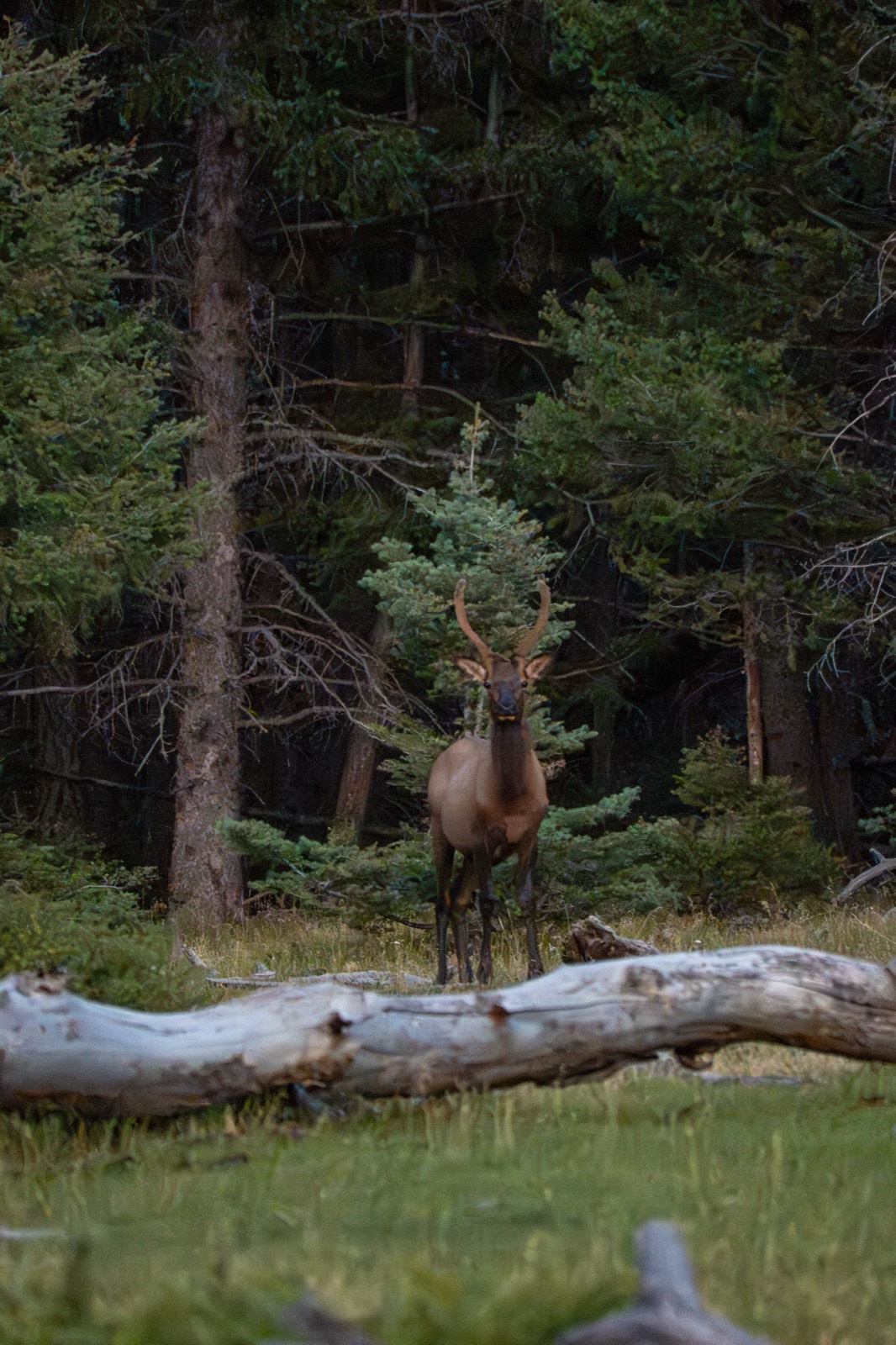
Rocky Mountain Elk
common opportunityThe headline hunt and a large annual harvest (~485) at general-season success. Elk range from about 7,500 feet to above timberline early, then push into remote roadless country and onto private winter range when snow and hunting pressure build. Hunted on Colorado's general west-slope seasons — an opportunity/general hunt where effort and backcountry access, not preference points, decide it.
- →Hike or pack into the wilderness drainages — Snowmass, Capitol, Avalanche, Conundrum, the upper Frying Pan — and get away from trailhead pressure; the roadless country is where elk hold.
- →Time archery to the September rut when bulls are bugling in the high aspen and timberline basins.
- →In rifle seasons, hunt the timber and travel routes as elk move down and toward private ground ahead of storms — position on the public side of the migration.
Mule Deer
common qualityFully limited-draw and a quality hunt in big country, with recent tags filling near 40%. Bucks work the oakbrush and aspen benches, dropping toward lower winter range as the season progresses.
- →Glass the oakbrush-and-aspen mid-elevation benches at first and last light.
- →Later hunts concentrate bucks as they move down off the high country.
- →Cover ground with optics from vantage points — this is spot-and-stalk terrain.
Black Bear
common opportunityGood black bear numbers in the oakbrush, serviceberry and aspen of the Roaring Fork and Crystal drainages — a solid add-on tag in years with a strong fall food crop.
- →Target Gambel oak and serviceberry slopes when the mast and berries ripen in late summer and early fall.
- →Glass south-facing brush pockets morning and evening for feeding bears.
- →Overlap a bear tag with an archery elk hunt in the same drainages.
Bighorn Sheep
limited qualityThe Maroon Bells-Snowmass high country holds genuine Rocky Mountain bighorn sheep, hunted on a highly coveted limited-draw sheep tag that can take many years of points to draw.
- →Focus on the alpine cliffs, basins and timberline ridges of the wilderness peaks.
- →This is a fitness-and-glassing hunt at high elevation — scout the specific herds and their summer/fall ranges well in advance.
- →Expect a long preference-point wait; frame it as a once-in-a-lifetime tag.
Mountain Goat
limited qualityMountain goats inhabit the rugged alpine of the Maroon Bells-Snowmass and surrounding peaks, offering a rare and highly limited-draw tag.
- →Glass the highest rock, cliff bands and alpine basins where goats summer and rut.
- →Come in top physical shape — access is on foot into steep, remote wilderness.
- →Scout the specific alpine areas before the hunt; goats are localized.
Moose
limited qualityMoose have established in the Roaring Fork and Frying Pan willow bottoms and high riparian basins, providing a scarce, prized limited-draw opportunity.
- →Hunt the willow-choked creek bottoms and high wet basins where moose feed.
- →Glass early and late along the riparian corridors of the upper drainages.
- →Treat it as a rare draw tag — scout the resident animals ahead of the season.
Pro tips
- →The huntable ground is mostly wilderness — plan to hike or pack in and hunt away from the trailheads.
- →Elk is a general/OTC-style west-slope hunt; effort and backcountry access decide it, not points.
- →Carry a current ownership map and GPS — resort-valley private ground and posted ranches are extensive on the lower benches.
- →Some large ranches hold elk on rifle-season winter range and don't allow hunting; hunt the public side of the migration.
- →Sheep, goat and moose tags here are once-in-a-lifetime-caliber draws — apply and build points.
- →Come fit and prepared for fast-changing high-elevation weather, even in early seasons.
Watch out for
- !Colorado State Trust lands are not open to hunting unless enrolled in CPW's Public Access Program.
- !Extensive private and posted resort-valley ground on the valley bottoms; large ranches hold elk on winter range and prohibit hunting.
- !Wilderness rules — no motorized or mechanized travel; long foot/horse approaches.
- !Steep, high-elevation terrain and fast-moving mountain storms.
- !Trailhead and near-road crowding; the backcountry is where the elk are.
- !Late-summer fire risk.
Logistics
Glenwood Springs, Carbondale, Basalt and Aspen ring the unit with full services — fuel, groceries, lodging and repair — though this is expensive resort-valley country and lodging fills fast. The catch is access: the huntable ground is largely wilderness reached on foot or horseback, so plan for a backcountry effort with proper gear, and expect long approaches from the trailheads. Valley-bottom private and posted ranch ground is extensive, so a current ownership map and GPS are essential. High-elevation weather turns fast — come prepared for cold, snow and storms even in early seasons.
Nearest towns: Carbondale, CO, Basalt, CO, Glenwood Springs, CO, Aspen, CO
Seasons & regulations
This page carries no season dates or regulations. Get current rules from the official Colorado sources:
Research sources: CPW Big Game Hunting · GOHUNT — Colorado Unit 43 Profile · HuntScore — Colorado GMU 43 (Pitkin, Eagle, Garfield, Gunnison Counties) · White River National Forest — Wilderness Areas (USFS)
FAQ
- How big is GMU 43 in Colorado?
- GMU 43 (GMU 43 — Garfield/Pitkin/Eagle/Gunnison Co.) covers about 526 square miles, ranging from roughly 5,800 to 14,156 feet in elevation. Area is computed from the unit boundary polygon.
- How much public land is in GMU 43?
- Approximately 80% of the unit is public land. Primary managers: USFS White River National Forest, designated wilderness (Maroon Bells-Snowmass / Hunter-Fryingpan / Raggeds), BLM, private ranch. Always verify ownership boundaries on the ground.
- What species does the catalog list for GMU 43?
- Rocky Mountain Elk, Mule Deer, Black Bear, Bighorn Sheep, Mountain Goat, Moose. For seasons, tags, and regulations, use the official Colorado agency resources linked on this page — this page carries no regulatory information.
Put GMU 43 on your map.
Boundary lines, public/private ownership, topo, and offline maps for this unit — in Baseline Maps, free for 14 days.