GMU 83 GMU 83 — Alamosa/Costilla Co.
Big elk numbers on a nearly all-private east San Luis Valley unit where access, not game, is the hunt
South-central Colorado — San Luis Valley & the Culebra Range · Last reviewed 2026-07-12
Area
1,254
sq mi
Public land
5%
approx.
Elevation
7,500–14,047
feet
Motorized
limited
access
Overview
GMU 83 runs from the flat, irrigated floor of the eastern San Luis Valley up the west face of the Sangre de Cristo and Culebra ranges to the New Mexico line, topping out near 14,000 feet on Blanca Peak and Culebra Peak. It holds a strong elk herd — recent harvest around 369 with roughly 35% success — plus a quality mule deer hunt (success near 81%) and a small, very high-success pronghorn opportunity on the valley grass. The catch is ownership: this is one of Colorado's most private units, dominated by the vast Trinchera, Cielo Vista, and Forbes ranch country, so tags fill on private ground far more than public.
Terrain
Enormous relief over a short distance. The west is the dead-flat, ~7,600-foot San Luis Valley floor — irrigated hay meadows, sage flats, and rabbitbrush; the east wall climbs sharply into the Sangre de Cristo and Culebra ranges, cresting above timberline on Blanca Peak, Little Bear, and 14,047-foot Culebra Peak (the southernmost fourteener in the Rockies).
Cover: Valley floor of greasewood, rabbitbrush, sage, and irrigated hayfield; mid-slopes of pinyon-juniper and oak-brush grading into ponderosa, aspen, and spruce-fir; alpine tundra on the high peaks.
Landmarks: Blanca Peak · Culebra Peak · Little Bear Peak · Culebra Range · Sangre de Cristo Mountains · San Luis Valley · Trinchera Creek · Rio Grande
Access
This is a near-100%-private unit; the mountain east side and most of the valley floor are locked up in enormous ranches, and even subdivided parcels often require tracking down absentee owners. Public ground is a thin margin — small slivers of Rio Grande National Forest, scattered BLM, and the Blanca Wetlands complex. Colorado State Trust lands here are NOT open to hunting unless enrolled in CPW's Public Access Program. Realistically, most successful hunts run on a landowner voucher, a leased ranch, or an outfitter — the high deer and pronghorn success rates reflect managed private ground, not walk-in public.
Managers: private ranch, USFS Rio Grande National Forest, BLM San Luis Valley Field Office
Access points: Fort Garland / US 160 · San Luis / CO 159 · Rio Grande National Forest boundary roads on the west valley · BLM Blanca Wetlands
Species notes
Rocky Mountain Elk
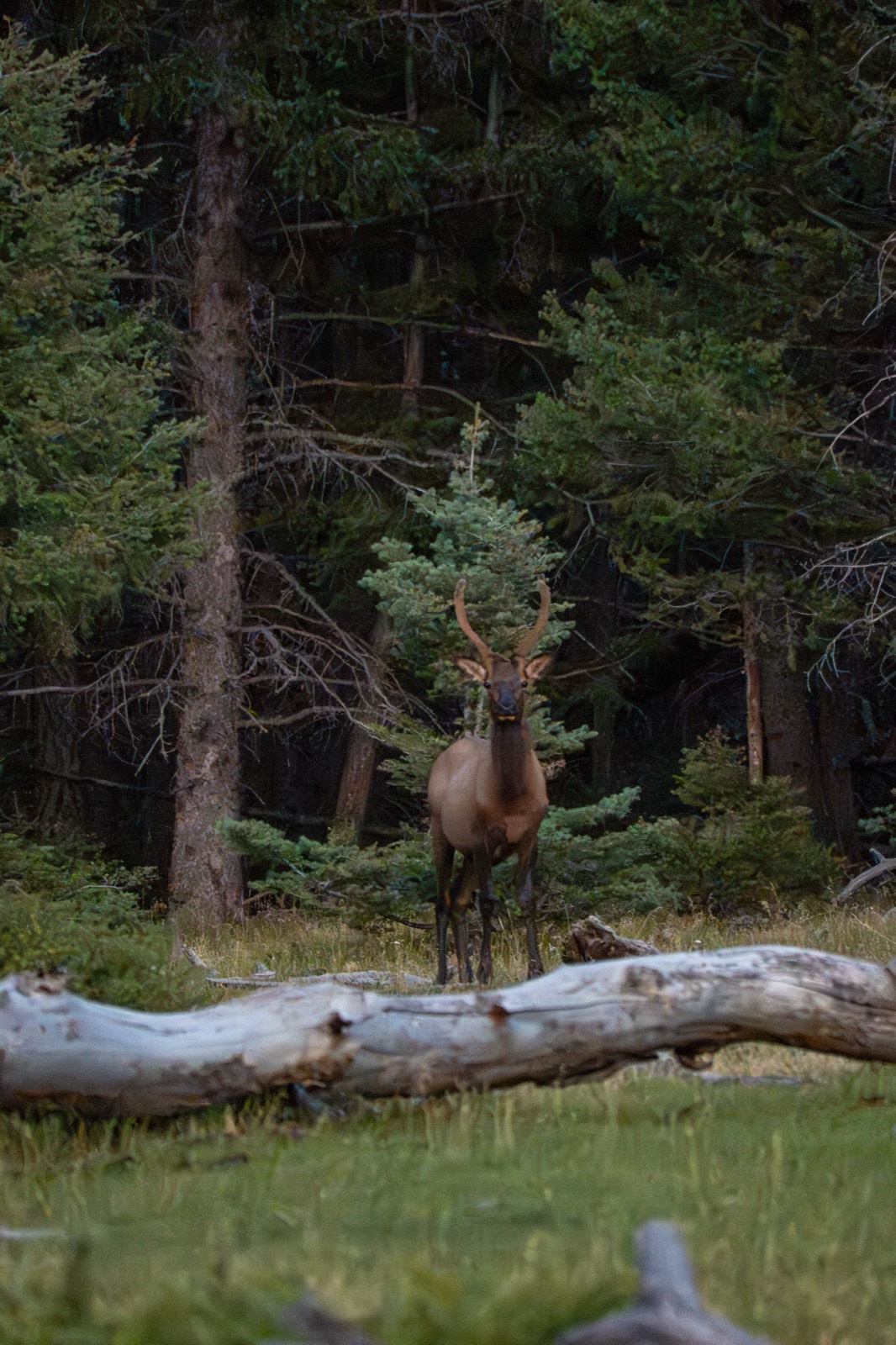
common qualityThe marquee draw — a solid elk herd using the Culebra and Sangre de Cristo timber and the valley-edge hay ground, with recent success around 35%. Elk is limited-draw here (draw or leftover only, no true OTC), and the best hunting is on the big private ranches; public-land opportunity is thin.
- →Secure access first — a landowner voucher, lease, or outfitter is the practical path to elk in GMU 83.
- →On the ranch country, hunt the timber-and-aspen edges of the Culebra Range and the hayfield fringes at first and last light.
- →Later rifle seasons pull elk off the high peaks toward the valley winter range and private hay.
- →If you draw a public-land-only plan, scout the limited Rio Grande NF slivers hard well before season.
Mule Deer
common qualityA strong limited-draw mule deer hunt — recent success near 81%, which reflects the tightly managed private ranch ground. Bucks work the oak-brush, pinyon-juniper, and sage benches on the mountain front and valley edge.
- →Glass the oak-brush and pinyon-juniper benches on the lower Culebra front at dawn and dusk.
- →Hunt the sage-and-greasewood valley edges where deer transition to feed.
- →Expect the best bucks on managed private ground — access is the limiting factor, not deer quality.
Pronghorn
limited qualityA small but very high-success pronghorn opportunity on the open San Luis Valley grass and sage — few tags, recent success near 88%. A limited-draw, mostly private-land hunt.
- →Glass the open valley flats and sage-grass parks; use irrigation ditches and terrain folds to close the distance.
- →Water sources and hay edges concentrate antelope in the dry valley.
- →Confirm land status before every stalk — the huntable ground is almost all private.
Pro tips
- →Treat access as the whole game — GMU 83 is ~95% private, and public opportunity is minimal.
- →Landowner vouchers and leases on the big Culebra-country ranches are the realistic route to the good elk and deer.
- →The high deer and pronghorn success rates come from managed private ground, not open public land — don't read them as easy DIY hunts.
- →Colorado State Trust land here is closed to hunting unless it's enrolled in CPW's Public Access Program.
- →Verify boundaries on subdivided valley parcels — ownership is fragmented and trespass is a live issue.
Watch out for
- !Nearly the entire unit is private — trespass problems are common; know exactly whose ground you're on.
- !Large land-grant ranches (Trinchera, Cielo Vista, Forbes) control most elk and deer country.
- !State Trust lands are not open to hunting unless enrolled in CPW's Public Access Program.
- !Sangre de Cristo / Culebra high country brings early, heavy snow and rough access.
- !Limited public slivers get concentrated pressure from DIY hunters who couldn't secure private access.
Logistics
Alamosa (west, ~30 minutes) is the full-service hub — fuel, groceries, lodging, gear, and a hospital. Fort Garland and San Luis offer basic fuel and supplies close to the unit. The mountain east side is remote and ranch-gated; plan on private access logistics rather than dispersed public camping. Cell service is decent in the valley but drops in the Culebra high country — carry a satellite communicator.
Nearest towns: Fort Garland, CO, San Luis, CO, Blanca, CO, Alamosa, CO
Seasons & regulations
This page carries no season dates or regulations. Get current rules from the official Colorado sources:
Research sources: CPW Big Game Hunting · HuntScore — Colorado GMU 83 (land ownership, terrain; secondary cross-check) · Hunt Talk — OTC/access discussion for units 82, 83 (secondary)
FAQ
- How big is GMU 83 in Colorado?
- GMU 83 (GMU 83 — Alamosa/Costilla Co.) covers about 1,254 square miles, ranging from roughly 7,500 to 14,047 feet in elevation. Area is computed from the unit boundary polygon.
- How much public land is in GMU 83?
- Approximately 5% of the unit is public land. Primary managers: private ranch, USFS Rio Grande National Forest, BLM San Luis Valley Field Office. Always verify ownership boundaries on the ground.
- What species does the catalog list for GMU 83?
- Rocky Mountain Elk, Mule Deer, Pronghorn. For seasons, tags, and regulations, use the official Colorado agency resources linked on this page — this page carries no regulatory information.
Put GMU 83 on your map.
Boundary lines, public/private ownership, topo, and offline maps for this unit — in Baseline Maps, free for 14 days.