Elk Area 1015 Turnbull
Draw-only elk hunting inside Turnbull National Wildlife Refuge — a sanctuary herd in channeled-scablands pine and wetland country.
Region 1 (Eastern) — District 2, Spokane County near Cheney · Last reviewed 2026-07-17
Area
25
sq mi
Public land
100%
approx.
Elevation
2,200–2,450
feet
Motorized
limited
access
Overview
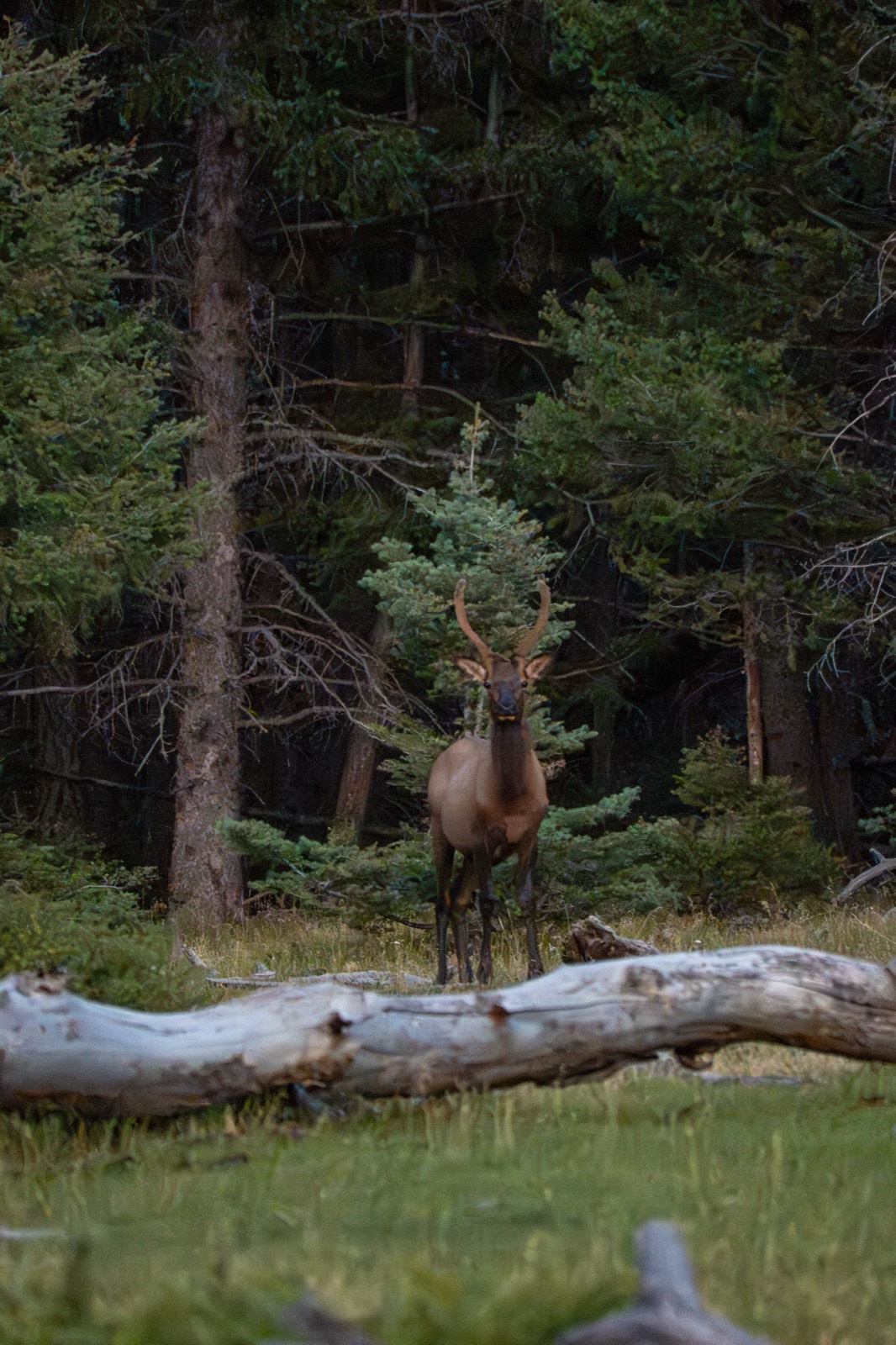
Elk Area 1015 "Turnbull" covers designated hunt units inside Turnbull National Wildlife Refuge, a 23,000-plus-acre USFWS refuge in the channeled scablands a few miles south of Cheney, within GMU 130. The refuge was closed to hunting for decades, and Rocky Mountain elk of the Selkirk herd's Spokane sub-herd learned to pile onto it as a sanctuary — concentrating hard enough to hammer the refuge's aspen stands and spill damage onto neighboring farms. Special-permit elk hunts began in 2010 specifically to move elk off the refuge and restore habitat, and that is still what this hunt is: a WDFW special-permit draw, mostly antlerless opportunity with a tiny handful of bull and spike permits, hunted walk-in in a unit assigned by refuge staff. The sanctuary effect means real, mature bulls live here — the 2020 aerial survey found bull-to-cow ratios well above WDFW's management objective — but the bull opportunity is a true lottery ticket, and even antlerless hunters should expect a patient, low-odds hunt (recent antlerless success has run in the 11–16% range) against elk that are experts at sliding into the closed portions of the refuge.
Terrain
Ice-age-flood channeled scablands: low basalt outcrops and cliffs, rolling ponderosa pine parkland, and a maze of pothole wetlands, sloughs, and small lakes threaded by Rock Creek. Relief is gentle — this hunts as a stalking-and-ambush landscape of pine timber, aspen groves, and wetland edges rather than climbing country, with visibility alternating between open meadow and tight brushy draws.
Cover: Ponderosa pine forest and savanna, quaking aspen groves (the habitat the hunt was created to protect), grassland steppe on basalt, and extensive seasonal and permanent wetlands with cattail, sedge, and open-water margins.
Landmarks: Turnbull National Wildlife Refuge boundary · Rock Creek · Kepple Lake · McDowell Lake · Ballinger Lake · Isaacson Lake · Campbell Lake · Cheney-Plaza Road (refuge access) · SR 904 at Cheney
Access
The refuge is NOT open to general hunting — only drawn special-permit holders may hunt, and only in the hunt unit refuge staff assign them. These are walk-in hunts (an exception exists for the disabled-hunter permit), with designated parking areas and displayed parking permits required. Permittees receive a detailed packet from the refuge covering their assigned area, parking, and rules, and scouting is allowed one day before the season opens. Each hunter may bring one non-hunting companion, with a few extra helpers allowed for elk retrieval. The refuge's public-use area (trails and auto tour off Cheney-Plaza Road/Smith Road) stays open to general visitors, so expect non-hunting public nearby.
Managers: U.S. Fish and Wildlife Service (Turnbull National Wildlife Refuge)
Access points: Cheney-Plaza Road south from Cheney (refuge headquarters via Smith Road) · Designated hunter parking areas assigned per hunt unit
Species notes
Rocky Mountain Elk
common qualityA resident, well-surveyed piece of the Spokane sub-herd (Selkirk herd) that concentrates on the refuge for sanctuary; the 2020 aerial survey showed bull ratios well above WDFW objectives and strong calf production. Most permits are antlerless and recent success has run roughly 11–16%; the rare any-bull permit is a genuine quality opportunity, but in some years it goes unfilled — these elk know exactly where they can't be touched.
- →Use your one allowed pre-season scouting day to learn your assigned unit's parking, trails, and glassing points — you cannot roam to the other unit later.
- →Set up on travel edges between the closed refuge core and feeding meadows and aspen/wetland margins at first and last light; pressured elk shuttle between sanctuary and forage.
- →Hunt slow and quiet — units are small and walk-in, and a couple of noisy hunters can push the whole bunch into the no-hunt zone for days.
- →Ambush beats covering ground here: pick a wetland edge or meadow finger with fresh sign and give it multiple sits rather than bumping elk in the pines.
- →Plan the pack-out before you shoot — no motorized retrieval for most hunters, so know your distance to the assigned parking area and line up your retrieval helpers.
Pro tips
- →Apply with clear eyes: this is overwhelmingly an antlerless-opportunity area — treat the any-bull permit as a once-in-many-years lottery, not a plan.
- →The elk here are refuge-educated; expect them to hole up in closed portions and win by out-waiting them on the travel edges rather than pushing cover.
- →Take the assigned-unit packet seriously — parking, boundaries, and companion rules are enforced, and refuge staff are a genuine resource for current elk locations.
- →Glass the meadow and wetland complexes (Kepple, McDowell, Campbell lake basins) at gray light before committing to a stalk in the pines.
- →Because success runs modest, hunt every legal day you can — reported success comes disproportionately from hunters who put in repeated sits.
Watch out for
- !The refuge is closed to all hunting except drawn permit holders in their assigned unit — hunting outside your assigned unit is a violation.
- !Walk-in only for most permits; don't plan on motorized game retrieval.
- !Non-hunting visitors use the public trail and auto-tour area — know where the public-use zone is and keep muzzle awareness accordingly.
- !Moose and deer share the ground but are not legal here; be certain of your target.
- !Antlerless success has averaged only around 11–16% in recent years — this is a managed damage/habitat hunt, not a gimme.
Logistics
Cheney, about 4 miles north of the refuge entrance on Cheney-Plaza Road, is a college town with motels, fuel, groceries, and restaurants; Spokane and its airport are roughly 30–40 minutes away, making this one of the easiest logistics packages of any Washington elk hunt. There is no camping on the refuge — it is day-use with posted hours — so plan to stay in Cheney or Spokane and commute. Cell coverage is good throughout the area. Moose and both deer species live on the refuge too, but they are not huntable here; this permit is elk-only.
Nearest towns: Cheney, Medical Lake, Spokane, Sprague
Seasons & regulations
This page carries no season dates or regulations. Get current rules from the official Washington sources:
Research sources: USFWS — Hunting at Turnbull National Wildlife Refuge (program history, walk-in rules, hunt units, permits) · USFWS — Turnbull National Wildlife Refuge (acreage, channeled scablands habitat, wildlife, visitor rules) · WDFW 2025 District 2 Hunting Prospects — Elk Area 1015, 2020 aerial survey, permit history and success rates · WAC 220-415-040 — Elk area descriptions (Elk Area 1015 Turnbull, Spokane County, GMU 130) · WDFW Elk Area 1015 Turnbull hunt map (refuge boundary, lakes, Rock Creek, SR 904) · WDFW news release — Turnbull Refuge elk permit hunt proposal (hunt purpose and history)
FAQ
- How big is Elk Area 1015 in Washington?
- Elk Area 1015 (Turnbull) covers about 25 square miles, ranging from roughly 2,200 to 2,450 feet in elevation. Area is computed from the unit boundary polygon.
- How much public land is in Elk Area 1015?
- Approximately 100% of the unit is public land. Primary managers: U.S. Fish and Wildlife Service (Turnbull National Wildlife Refuge). Always verify ownership boundaries on the ground.
- What species does the catalog list for Elk Area 1015?
- Rocky Mountain Elk. For seasons, tags, and regulations, use the official Washington agency resources linked on this page — this page carries no regulatory information.
Put Elk Area 1015 on your map.
Boundary lines, public/private ownership, topo, and offline maps for this unit — in Baseline Maps, free for 14 days.