GMU 21 Ozette Indian Reservation
A tiny, uninhabited tribal parcel on the wild Olympic coast — Makah trust land, not a public general-season hunt.
WDFW Region 6 — Coastal / Olympic Peninsula (Clallam County) · Last reviewed 2026-07-12
Area
1
sq mi
Public land
0%
approx.
Elevation
0–300
feet
Motorized
limited
access
Overview
The Ozette Indian Reservation is a small (~1 sq mi / roughly 700-acre) detached parcel of the Makah Reservation on the outer Olympic coast at the mouth of the Ozette River, near Lake Ozette and the famous Ozette archaeological village site. It is now unpopulated, ringed by the coastal strip of Olympic National Park, and it is tribal trust land — hunting here is governed by the Makah Tribe, not by WDFW general seasons, so it is effectively closed to non-tribal public hunting. The surrounding rainforest and coast are classic westside big-game country: Roosevelt elk of the Olympic herd, Columbian black-tailed deer, black bear and cougar. Treat this unit as reference/tribal land rather than an open general hunt, and hunt the adjacent public GMUs and National Park rules instead.
Terrain
Sea-level Pacific coastline and low, dripping-wet coastal-forest benches at the mouth of the Ozette River. Wave-cut headlands, sea stacks, driftwood-choked beaches and boggy flats give way to low forested hills only a few hundred feet high. Among the wettest country in the Lower 48.
Cover: Dense coastal temperate rainforest — western hemlock, Sitka spruce, western redcedar draped in moss, with salal, salmonberry, sword fern and devil's club understory, plus coastal bog and dune-edge vegetation along the shore.
Landmarks: Mouth of the Ozette River (Pacific coast) · Lake Ozette (largest unaltered natural lake in Washington, just inland) · Ozette Indian Village archaeological site · Cape Alava / Sand Point (Olympic NP coastal strip, adjacent) · Olympic National Park coastal wilderness (surrounding)
Access
This is Makah tribal trust land — a detached parcel of the Makah Reservation — and is NOT open to non-tribal general-season hunting. Any hunting is regulated by the Makah Tribe under treaty rights, not WDFW. The parcel is remote, roadless and uninhabited, surrounded by the coastal-wilderness strip of Olympic National Park (where hunting is prohibited). There is no public vehicle access to the reservation itself; the nearest public access is the Ozette Ranger Station and the Cape Alava/Sand Point boardwalk trails within Olympic National Park. Non-tribal hunters should look to the adjacent public GMUs on the Olympic Peninsula, not this unit.
Managers: Makah Tribe (tribal trust land), National Park Service (Olympic National Park coastal strip, surrounding)
Access points: Hoko-Ozette Road to the Ozette Ranger Station (Olympic NP) — for park access only, not reservation hunting · Cape Alava / Sand Point coastal trails (Olympic NP, no hunting) · No public road access onto the reservation parcel
Species notes
Roosevelt Elk
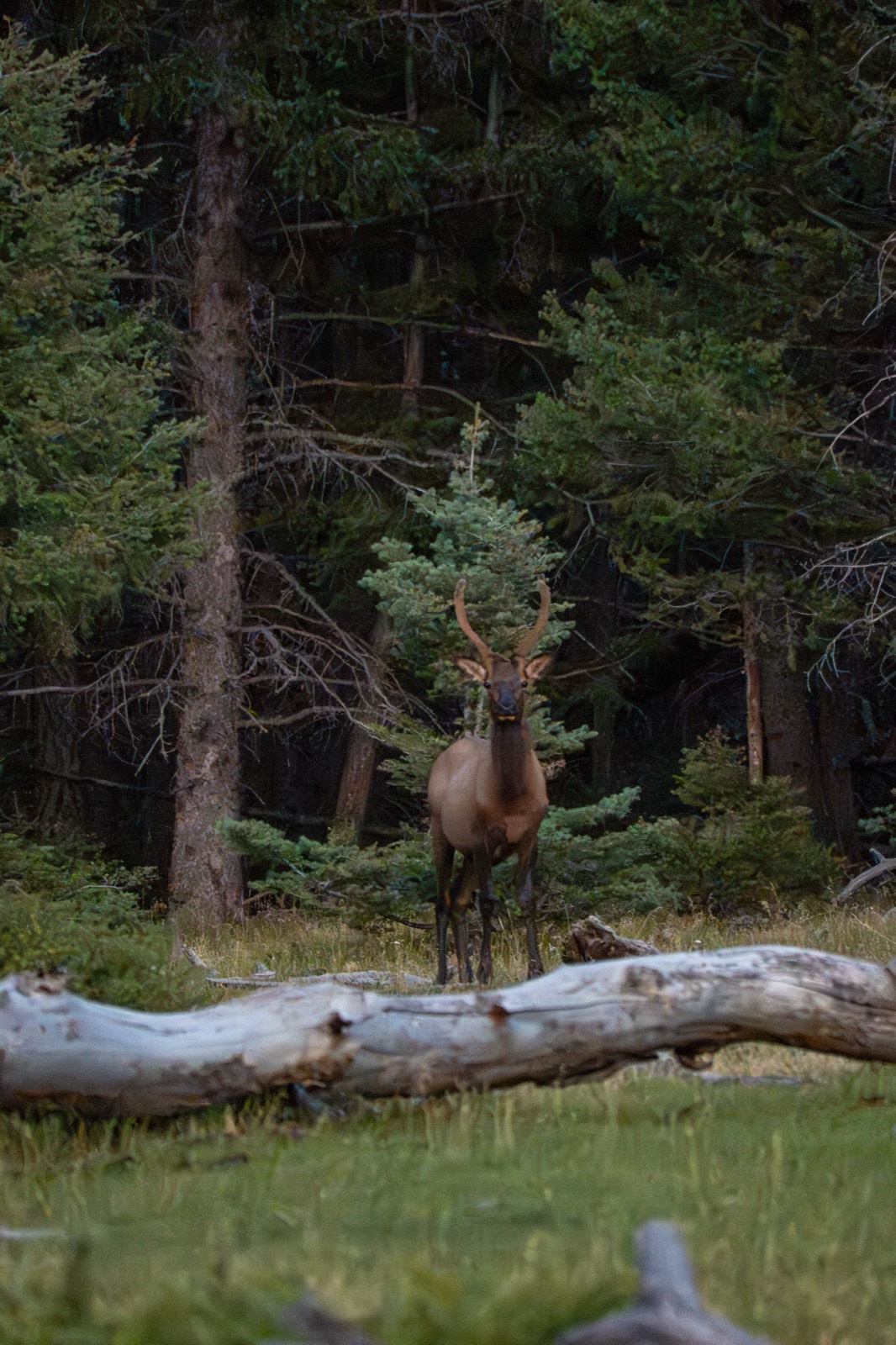
limited opportunityThe greater Ozette/west-Olympic country is part of the range of the Olympic Roosevelt elk herd — the largest Roosevelt population anywhere. Elk move through the coastal rainforest and river bottoms, but on this specific tribal parcel and the surrounding National Park, non-tribal hunting is not available. Listed for habitat context only.
- →Not a public hunt — Roosevelt elk hunting on the Olympic Peninsula happens under Makah tribal rules here or on public GMUs and timberlands elsewhere.
- →For legal Roosevelt hunting, target adjacent westside GMUs with public/industrial-timber access rather than this reservation or the National Park.
Blacktail Deer
common opportunityColumbian black-tailed deer are the resident deer of the coastal Olympic rainforest and are present in and around the Ozette country. On this tribal parcel, however, they are not available to non-tribal hunters. Included for habitat context.
- →Not a public hunt on this parcel — pursue coastal blacktail on adjacent public GMUs and enrolled industrial timberland.
- →Classic westside blacktail tactics (hunting clearcut edges and rainforest funnels at dawn/dusk) apply on legal ground, not here.
Black Bear
common opportunityBlack bear are abundant throughout the wet Olympic coastal forest, including the Ozette area, drawn to salmonberry, salal and salmon streams. As with the other species, no non-tribal hunting on this reservation parcel.
- →Not a public hunt here — legal coastal black bear hunting occurs on adjacent public and timber-company ground under WDFW seasons.
- →Coastal bears key on berry patches and spawning streams; hunt those on legal land, not the reservation or National Park.
Pro tips
- →This is Makah tribal trust land — do not plan a WDFW general-season hunt here; it is not open to non-tribal hunters.
- →The surrounding land is Olympic National Park coastal wilderness, where hunting is prohibited — know the boundaries precisely.
- →For a real Olympic Peninsula hunt, redirect to adjacent public GMUs and industrial-timber ground with legal access (Roosevelt elk, coastal blacktail, bear).
- →If you want to visit the Ozette area, do it as a hiker via the Cape Alava/Sand Point loop — respect the archaeological site and tribal/park closures.
- →Confirm all tribal and National Park land-status boundaries with current maps before setting foot off public trail.
Watch out for
- !Closed to non-tribal hunting — this is Makah reservation trust land; hunting without tribal authorization is illegal.
- !Surrounded by Olympic National Park coastal strip where hunting is banned; the boundaries are easy to cross unknowingly.
- !The Ozette Indian Village archaeological site is culturally sensitive and protected — do not disturb.
- !Remote, roadless, storm-prone outer coast: tides, high surf, swollen rivers and fog are real dangers.
- !No services, no vehicle access, no cell coverage — a serious wilderness setting.
Logistics
The parcel is remote outer-coast wilderness reached only on foot via Olympic National Park trails from the Ozette Ranger Station (end of Hoko-Ozette Road, off SR-112 near Clallam Bay/Sekiu). There is no lodging, fuel or services on-site; resupply in Clallam Bay, Sekiu, Neah Bay or Forks. Because it is tribal land closed to non-tribal hunting and surrounded by no-hunting National Park, plan any Olympic Peninsula hunt around the legal public GMUs and timberlands instead.
Nearest towns: Clallam Bay, Sekiu, Neah Bay, Forks
Seasons & regulations
This page carries no season dates or regulations. Get current rules from the official Washington sources:
Research sources: Wikipedia — Makah Reservation · Wikipedia — Ozette Indian Village Archeological Site (Ozette Indian Reservation) · Olympic National Park — Visiting Ozette
FAQ
- How big is GMU 21 in Washington?
- GMU 21 (Ozette Indian Reservation) covers about 1 square miles, ranging from roughly 0 to 300 feet in elevation. Area is computed from the unit boundary polygon.
- How much public land is in GMU 21?
- Approximately 0% of the unit is public land. Primary managers: Makah Tribe (tribal trust land), National Park Service (Olympic National Park coastal strip, surrounding). Always verify ownership boundaries on the ground.
- What species does the catalog list for GMU 21?
- Roosevelt Elk, Blacktail Deer, Black Bear. For seasons, tags, and regulations, use the official Washington agency resources linked on this page — this page carries no regulatory information.
Put GMU 21 on your map.
Boundary lines, public/private ownership, topo, and offline maps for this unit — in Baseline Maps, free for 14 days.