GMU 663 Capitol Peak
Capitol State Forest — the rare Willapa-country unit that is mostly public, roads open, and still a top blacktail producer.
WDFW Region 6 — Coastal (District 17, Capitol State Forest) · Last reviewed 2026-07-12
Area
205
sq mi
Public land
80%
approx.
Elevation
200–2,659
feet
Motorized
extensive
access
Overview
GMU 663 "Capitol Peak" is a ~205-square-mile unit in WDFW District 17 covering the Black Hills / Capitol State Forest west of Olympia, straddling the Grays Harbor–Thurston line. It is the outlier of the coastal district: DNR owns and manages more than 80% of the unit as Capitol State Forest, giving it an 'Excellent' WDFW access rating and by far the most open public ground of any District 17 GMU. Despite the easy access, it remains one of the district's best black-tailed deer units and a regular black bear producer, and it sits within the Willapa Hills elk herd. The trade-off for open roads is a busy, multi-use forest — hunters share it with a heavy ORV/mountain-bike trail network.
Terrain
The Black Hills rise as an isolated forested block west of the Puget lowland, topping out at Capitol Peak (2,659 ft) and Larch Mountain. A dense DNR road and trail grid climbs the ridges and drainages of a working state forest, with the Chehalis and Black river lowlands wrapping the west and south.
Cover: Actively managed Douglas-fir and western hemlock second-growth in a mosaic of clearcuts, replants, and older stands; regen units and road edges grow thick with salmonberry, salal, huckleberry, elderberry, and bracken — good blacktail browse and bear feed. Deer here live in tight cover: WDFW's Capitol Forest GPS-collar study found does using very small home ranges (average ~0.14 sq mi).
Landmarks: Capitol Peak (2,659 ft) · Larch Mountain · Capitol State Forest (DNR) · Black Hills · Chehalis River lowland (west/south) · Black River (east) · Rock Candy Mountain · Delphi Road / west Olympia edge (east boundary)
Access
WDFW rates GMU 663 access as 'Excellent' — DNR owns and manages more than 80% of the unit as Capitol State Forest, and most main and spur roads are open to motorized access during the modern-firearm deer season. This is the most publicly accessible unit in District 17 and one of the state's few big-timber blacktail units where you don't need a timber-company permit to hunt. The trade-off is a busy multi-use forest with a large designated ORV/motorcycle and mountain-bike trail network; hunters must follow all posted rules, seasonal road/gate closures, and the DNR discovery/day-use requirements. Small private timber and residential parcels fringe the forest, especially on the east (Olympia) side.
Managers: WDNR (Capitol State Forest), Private timber, Private
Access points: Capitol State Forest main entrances off Delphi Road SW (west Olympia) · Waddell Creek Road SW / Sherman Valley Road access · Rock Candy Mountain and Mima Falls trailheads · Cedar Creek / west-side DNR roads off the Chehalis lowland · Numerous gated DNR spur roads opened for modern-firearm deer season
Species notes
Blacktail Deer
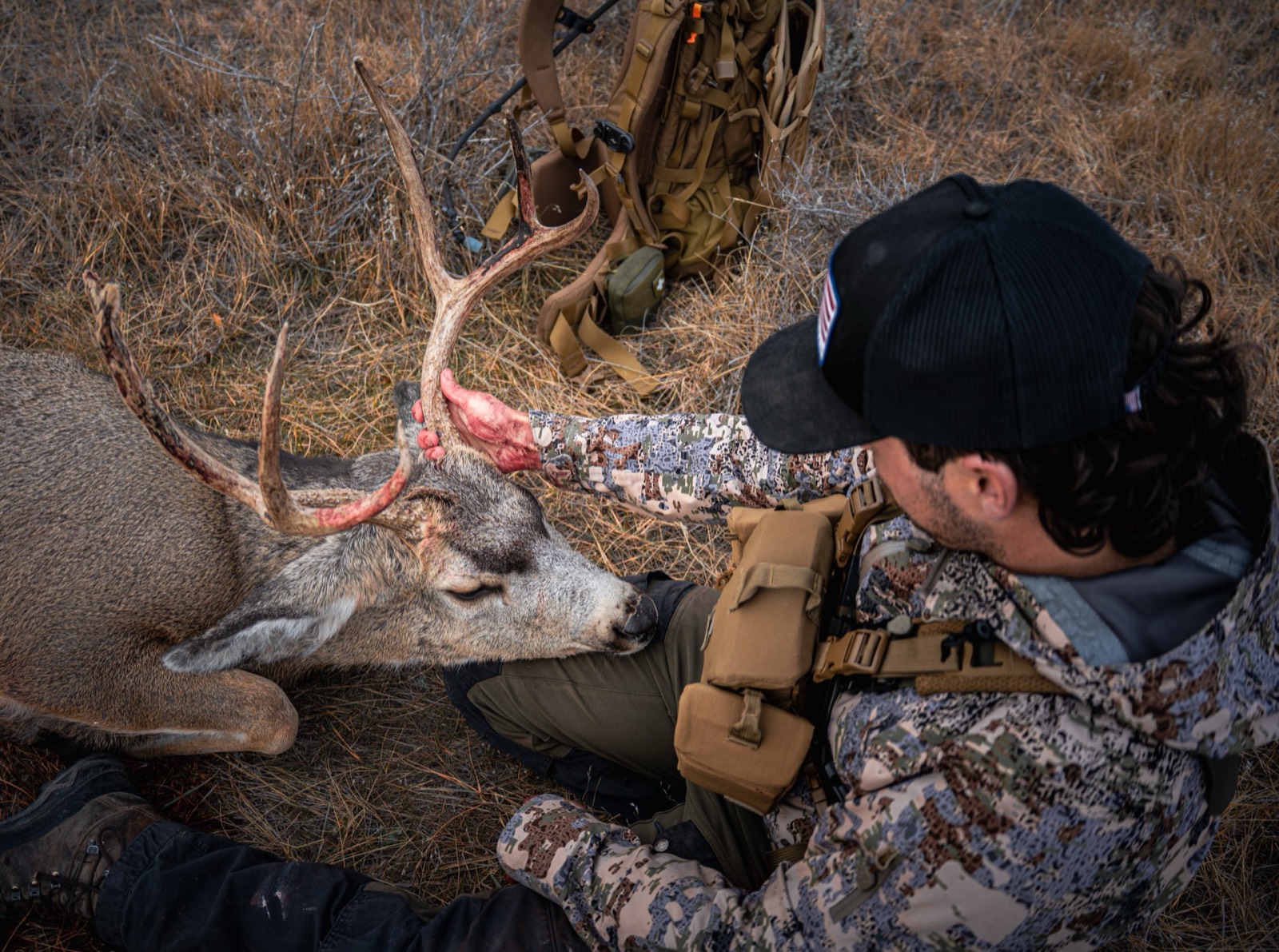
abundant qualityWDFW names 663 as the single best opportunity to harvest a black-tailed deer in District 17 (listed first, ahead of 648, 672, and 660) and among the district's highest-harvest deer GMUs. Combining top-tier deer numbers with 'Excellent' public access makes it arguably the most accessible quality blacktail unit in the region — though that also means real hunter pressure. Expect mostly younger bucks holding tight in small home ranges.
- →Hunt the edges and interiors of 3- to 10-year-old clearcuts and replants across the DNR forest — the highest deer densities are in the regen mosaic.
- →Because collared does here use tiny home ranges, work an area thoroughly rather than covering ground — a buck is usually close to where you cut sign.
- →Glass cut units and landings at first and last light, then still-hunt the timber/clearcut edge as deer bed.
- →Hit the rut (late October into early November) hard for the best chance at a mature buck.
- →Get away from the trailheads and main roads — the open access concentrates hunters on the easy ground; walk into pockets off the ORV network.
Black Bear
common opportunityWDFW lists 663 among District 17's best bear units alongside 648 and 660 and a regular general-season producer; a Region 6 density estimate put Capitol Forest around 12–14 bears per 100 sq km. Bears are common in the berry-rich cuts but seldom seen in the thick cover, so scouting is decisive.
- →Glass open clearcuts and regen units loaded with berry shrubs — salmonberry, huckleberry, elderberry, blackberry, salal — at dawn and dusk.
- →Hunt open ground so you can spot a bear before it winds you; in dense cover it smells you first.
- →Find fresh sign on a berry-heavy cut and sit it for long watches rather than walking.
- →Key on ripe berry feed in early fall before deer pressure scatters the bears.
Roosevelt Elk
limited opportunityGMU 663 lies within the Willapa Hills elk herd's range, but it is a deer-and-bear unit first; elk are present in modest numbers rather than as a strong huntable concentration like the core Willapa units (658, 672, 673, 681). Elk do use the Capitol Forest foothills and adjacent lowland damage areas toward Delphi Road and Waddell Creek.
- →Treat elk as a secondary opportunity while deer hunting; scout the larger cut units and creek bottoms for sign.
- →Check the Capitol Forest foothill edges toward Delphi Road SW and Waddell Creek Road SW where elk drift onto the lowland fringe.
- →Expect bulls to hold in closed timber by day — hunt feed-to-bedding transitions at first and last light.
Cougar
common opportunityCougars occur throughout the Black Hills and are taken mostly incidentally by deer hunters. The season is harvest-guideline managed and hunt areas can close mid-season, so confirm status before and during your hunt.
- →Carry the tag and treat cougar as an opportunistic add-on while glassing cuts for deer and bear.
- →Hunt where deer concentrate; cats follow the prey.
- →Check hunt-area status regularly since cap-managed areas can close on short notice.
- →After a low-elevation snow, cut the road grid and landings for fresh tracks.
Pro tips
- →This is the district's rare open-access quality blacktail unit — no timber permit needed, but that also means it's the most heavily hunted, so plan to walk off the road grid.
- →Use the tiny-home-range behavior WDFW documented here: when you cut fresh deer sign, slow down and hunt that pocket thoroughly instead of moving on.
- →Camp in Capitol State Forest (Margaret McKenny, Fall Creek, Mima Falls) to hunt first and last light without a long drive.
- →Carry a Discover Pass and the current DNR road/trail map — some roads are gated seasonally and the ORV network is busy.
- →Glass the big DNR clearcuts for both deer and bear; the regen units are the engine of this unit.
- →For elk, drift to the western/southern foothill edges toward the Chehalis lowland rather than the interior.
Watch out for
- !Multi-use forest: heavy ORV/motorcycle and mountain-bike trail traffic shares the ground, especially weekends — know where the motorized trail areas are and hunt safely.
- !Open access means high hunter density on the easy road-served cuts; the pressure is the main downside of the 'Excellent' rating.
- !A Discover Pass is required for DNR recreation, and some roads/gates close seasonally under the DNR road plan.
- !Private and residential parcels fringe the forest, especially the Olympia/Delphi east side — know the boundary before you shoot.
- !Don't over-plan around elk here; it's a deer-and-bear unit with only modest elk numbers.
Logistics
This is the most road-served, town-adjacent unit in the district — Olympia and Tumwater sit right on the east edge with full services, and Oakville/Rochester cover the west and south. Capitol State Forest offers developed DNR campgrounds (e.g., Margaret McKenny, Fall Creek, Mima Falls, Middle Waddell) and an extensive open road network, so day-hunting and forest camping are both realistic here — a rarity for a Willapa-country unit. Carry a Discover Pass and current Capitol State Forest map; watch for seasonal ORV/trail activity and posted road closures.
Nearest towns: Olympia, Tumwater, Oakville, Rochester, Montesano
Seasons & regulations
This page carries no season dates or regulations. Get current rules from the official Washington sources:
Research sources: WDFW 2024 District 17 Hunting Prospects — GMU 663 access rating 'Excellent' (DNR >80%, roads open, ORV trails), best-blacktail ranking, bear producer, Capitol Forest GPS-collar home-range study, Willapa Hills elk herd, Capitol Forest bear density · WA DNR — Capitol State Forest (land management, recreation, roads/trails, campgrounds) · WDFW Game Management Units (GMU boundaries & maps)
FAQ
- How big is GMU 663 in Washington?
- GMU 663 (Capitol Peak) covers about 205 square miles, ranging from roughly 200 to 2,659 feet in elevation. Area is computed from the unit boundary polygon.
- How much public land is in GMU 663?
- Approximately 80% of the unit is public land. Primary managers: WDNR (Capitol State Forest), Private timber, Private. Always verify ownership boundaries on the ground.
- What species does the catalog list for GMU 663?
- Blacktail Deer, Black Bear, Roosevelt Elk, Cougar. For seasons, tags, and regulations, use the official Washington agency resources linked on this page — this page carries no regulatory information.
Put GMU 663 on your map.
Boundary lines, public/private ownership, topo, and offline maps for this unit — in Baseline Maps, free for 14 days.