GMU 666 Deschutes
Urbanizing Thurston County: high-success blacktail in a fragmented private landscape, with damage-area elk you can only reach by knocking on doors.
WDFW Region 6 — Coastal (District 11, South Puget Sound) · Last reviewed 2026-07-12
Area
369
sq mi
Public land
10%
approx.
Elevation
100–1,500
feet
Motorized
moderate
access
Overview
GMU 666 "Deschutes" is a ~369-square-mile unit in WDFW District 11 in Thurston County, spanning the urbanizing country between Olympia, the Black River, and the eastern foothills of Capitol State Forest, and reaching toward Rainier and the Deschutes River. It is the western, more developed half of District 11 — a fragmented mosaic of private residential, agricultural, and small forest parcels with limited public ground. WDFW pins its hunting management on managing deer and elk around people here. Deer hunter success is among the district's highest (above 30%), reflecting good deer numbers on private land, while elk are largely damage-area animals in the Capitol Forest foothills whose only real limiter is gaining private-land access. Public opportunity centers on WDFW's Scatter Creek Wildlife Area and, under its own system, Joint Base Lewis-McChord.
Terrain
Low, gently rolling South Puget Sound country: glacial outwash prairies, oak woodlands, and river bottoms (Black River, Deschutes River) on the valley floor, rising modestly westward into the forested eastern foothills of the Black Hills / Capitol State Forest. Little high ground — the unit is defined more by land use and access than by elevation.
Cover: A patchwork of Puget prairie and Garry oak woodland (notably around Scatter Creek), farm fields, suburban edge, red alder and cottonwood bottoms, and second-growth Douglas-fir/hemlock on the western forested fringe. Regen forest and brushy field edges provide blacktail browse.
Landmarks: Deschutes River · Black River / Black River NWR (Weaks Dairy unit) · Scatter Creek Wildlife Area (WDFW) · Capitol State Forest eastern foothills · Delphi Road SW / Waddell Creek Road SW · Joint Base Lewis-McChord (JBLM) lands near Rainier · Mima Prairie / Rochester area · I-5 corridor (Olympia–Tenino)
Access
Access is the defining challenge in GMU 666: this is one of District 11's urbanized western units, dominated by private residential and agricultural land, so hunters must secure landowner permission for most ground and are urged to arrange it weeks ahead of the season. Public options are limited but real — WDFW's Scatter Creek Wildlife Area lies within the unit (heavily used for a pheasant-release program in season), and Joint Base Lewis-McChord property near Rainier is open under JBLM's own iSportsman registration system (changed in 2023). Bascom Pacific LLC owns a large block of Thurston County forestland bordering Scatter Creek; some private timber requires fee/permit access. Note the Weyerhaeuser Vail Tree Farm permit ground lies mostly in neighboring GMUs 654/667, not 666. Elk cannot be hunted on the USFWS Black River refuge (former Weaks Dairy near 123rd Ave SW), though surrounding private lands can be hunted by permission. Thurston County no-shooting and controlled-shooting zones apply across much of this developed unit.
Managers: Private (residential & agricultural), Private timber (incl. Bascom Pacific LLC), WDFW (Scatter Creek Wildlife Area), Joint Base Lewis-McChord (US Army), US Fish & Wildlife Service (Black River NWR)
Access points: Scatter Creek Wildlife Area (WDFW) off I-5 near Rochester/Grand Mound · JBLM lands near Rainier via iSportsman registration · Capitol State Forest foothill edge via Delphi Road SW / Waddell Creek Road SW · Private ag and residential parcels by advance landowner permission · I-5 / US 12 corridor for approach
Species notes
Blacktail Deer
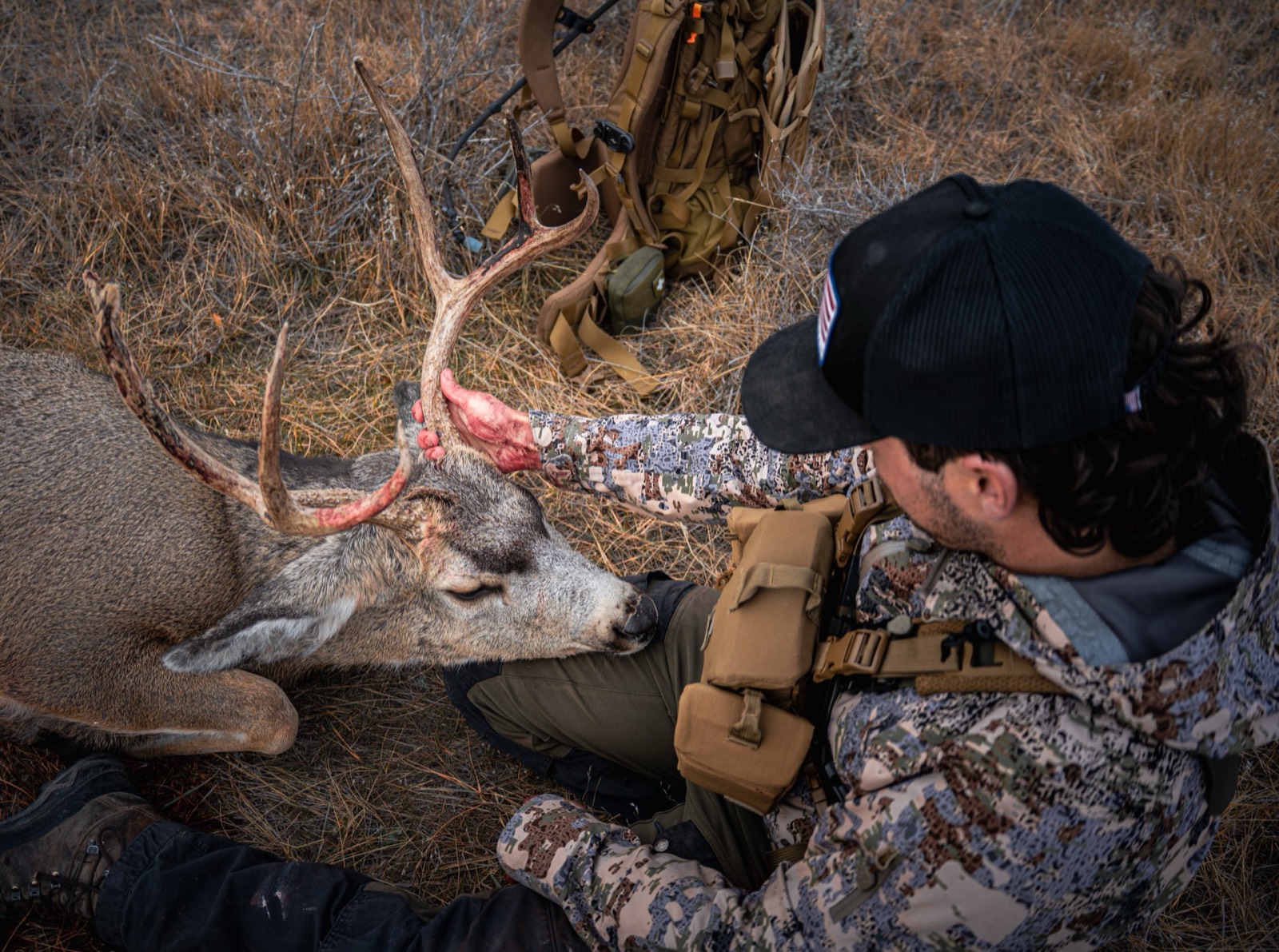
common opportunityBlack-tailed deer are the mainstay here. WDFW reports GMU 666 hunter success above 30% — among the highest in District 11 and well above the 15% of the eastern forest units — driven by good deer numbers on fragmented private land and limited hunter access. Harvest has held steady over recent years. The catch is that the high success is largely realized by hunters who have secured private-land permission.
- →Line up private-land permission early — success here tracks access more than deer density; knock on doors weeks before the opener.
- →Hunt field edges, oak woodlands, riparian bottoms, and the brushy interface between farmland and cover where blacktails feed and bed.
- →Work the rut, late October into early November, when bucks move and cross open ground.
- →Use Scatter Creek Wildlife Area and JBLM (iSportsman) as your public fallback, and glass the forested western foothills for cover-holding deer.
- →Mind Thurston County no-shooting/controlled-shooting zones — much of this developed unit restricts firearm discharge, so archery may be the tool for close-to-town parcels.
Roosevelt Elk
common opportunityGMU 666 carries Roosevelt elk associated with the Rainier elk herds, but as damage-area animals: elk have increased on private farmlands from the Capitol State Forest foothills east to Delphi Road SW and Waddell Creek Road SW. General-season elk harvest across the 652/666/667 population unit has been stable to slightly increasing, so WDFW considers prospects good — but only for hunters who secure private access. Overall unit harvest stays low because there are relatively few elk and the private ground is hard to reach.
- →Get private-land permission in the Capitol Forest foothill/Delphi Road/Waddell Creek damage zones well before the season — access is the entire game.
- →Scout the ag/forest interface where elk leave cover to feed on fields and power-line openings (e.g., off Delphi Road SW).
- →Consider damage-oriented and Master Hunter permit opportunities WDFW uses to address off-refuge elk conflict, and be ready to hunt on short notice.
- →Remember elk may not be hunted on the USFWS Black River refuge (former Weaks Dairy); hunt the surrounding permitted private ground instead.
Black Bear
limited lowBlack bears are present but this urbanized, low-elevation unit is not a bear destination — hunter success in the Puget Sound bear unit runs low, and 666 is on the light end (roughly 4% success). Take bear as an incidental opportunity, not a target hunt.
- →Hunt bear opportunistically while deer or elk hunting the forested western foothills.
- →Glass regen cuts and berry-brush edges in the Capitol Forest fringe at dawn and dusk.
- →Expect low odds; the district's better bear ground is the higher, more forested eastern GMUs.
Cougar
common opportunityCougars range through the unit and are taken mostly incidentally. WDFW manages 652/666 as a paired cougar area, and this pairing has carried no cougar harvest cap in recent seasons — but always confirm the current season status and rules before hunting.
- →Carry the tag as an opportunistic add-on while deer and elk hunting.
- →Hunt where deer concentrate along the forest/farm interface; cats follow the prey.
- →Confirm the current cougar season status and any area rules before and during your hunt.
- →After a low-elevation snow, cut the forested-fringe road grid for fresh tracks.
Pro tips
- →Access is everything — the high deer success and the good elk prospects both belong to hunters who lock in private-land permission weeks ahead.
- →Use Scatter Creek Wildlife Area and JBLM (iSportsman) as your reliable public ground; register for JBLM before the season.
- →For elk, focus the Capitol Forest foothills east to Delphi Road SW and Waddell Creek Road SW where they raid farm fields.
- →Check Thurston County no-shooting/controlled-shooting zone maps before you hunt — archery may be your only legal option near town.
- →Don't count on Weyerhaeuser's Vail permit here; that ground is mostly in GMUs 654/667, not 666.
- →Know that elk are off-limits on the USFWS Black River refuge (former Weaks Dairy) — hunt surrounding permitted private land instead.
Watch out for
- !Private-land dominated and urbanizing — most of the unit requires landowner permission; secure it well in advance or you'll have nowhere to hunt.
- !Thurston County no-shooting and controlled-shooting zones cover much of the developed area — verify firearm-discharge legality parcel by parcel.
- !JBLM access runs through its own iSportsman system (changed 2023); register and follow military rules before hunting there.
- !Elk may not be hunted on the USFWS Black River refuge near 123rd Ave SW (former Weaks Dairy).
- !Scatter Creek is a busy pheasant-release area in season with its own rules — coordinate around the upland program.
- !Bear odds are low here; don't build a trip around them.
Logistics
Full services are close at hand — Olympia and Tumwater anchor the north end, with Tenino, Rainier, and Rochester spread through the unit; I-5 and US 12 make approach easy. This is a day-hunt unit: there is little dispersed camping on the fragmented private landscape, and public hunting centers on WDFW's Scatter Creek Wildlife Area (bring a Discover Pass) and JBLM lands via iSportsman registration. Before hunting, sort out private-land permission, check Thurston County firearm-restriction (no-shooting/controlled-shooting) maps, and verify JBLM access rules — the logistics here are about access paperwork more than backcountry travel.
Nearest towns: Olympia, Tumwater, Tenino, Rainier, Rochester
Seasons & regulations
This page carries no season dates or regulations. Get current rules from the official Washington sources:
Research sources: WDFW 2024 District 11 Hunting Prospects — GMU 666 land ownership (urbanized private/ag, Scatter Creek WA, JBLM iSportsman, Bascom Pacific, Black River refuge), deer success >30%, elk damage areas (Delphi/Waddell), Rainier elk herds, low bear success, 652/666 cougar no-cap · WDFW Scatter Creek Wildlife Area (public access, pheasant release, oak/prairie habitat) · WDFW Game Management Units (GMU boundaries & maps)
FAQ
- How big is GMU 666 in Washington?
- GMU 666 (Deschutes) covers about 369 square miles, ranging from roughly 100 to 1,500 feet in elevation. Area is computed from the unit boundary polygon.
- How much public land is in GMU 666?
- Approximately 10% of the unit is public land. Primary managers: Private (residential & agricultural), Private timber (incl. Bascom Pacific LLC), WDFW (Scatter Creek Wildlife Area), Joint Base Lewis-McChord (US Army), US Fish & Wildlife Service (Black River NWR). Always verify ownership boundaries on the ground.
- What species does the catalog list for GMU 666?
- Blacktail Deer, Roosevelt Elk, Black Bear, Cougar. For seasons, tags, and regulations, use the official Washington agency resources linked on this page — this page carries no regulatory information.
Put GMU 666 on your map.
Boundary lines, public/private ownership, topo, and offline maps for this unit — in Baseline Maps, free for 14 days.