GMU 684 Long Beach
The Long Beach Peninsula: a tiny, mostly-private coastal unit with high deer success, refuge elk, and a real bear.
WDFW Region 6 — Coastal / Willapa Hills (District 17) · Last reviewed 2026-07-12
Area
48
sq mi
Public land
25%
approx.
Elevation
0–120
feet
Motorized
limited
access
Overview
GMU 684 "Long Beach" is a small (~48-square-mile) coastal unit in WDFW District 17 covering the Long Beach Peninsula and the shore of southern Willapa Bay in Pacific County. It is dominated by private residential property, cranberry bogs, and dune land, with public hunting concentrated at Leadbetter Point and on the Willapa National Wildlife Refuge units along the bay. Despite its size and 'Poor' access rating, 684 posts the highest blacktail deer success rate in the district and — with GMU 681 — was named one of the best bear GMUs in District 17. It is part of the Willapa Hills elk herd, but WDFW manages elk here to minimize crop conflicts (elk damage hay and cranberries), so elk hunting is limited and permit/refuge-controlled.
Terrain
A flat, sea-level barrier peninsula and bayshore: Pacific Ocean beach and dunes on the west, Willapa Bay tideflats and salt marsh on the east, with cranberry bogs, wetlands, and residential development between. Almost no relief — this is a coastal-lowland unit, not timber hills.
Cover: Shore pine, Sitka spruce, and coastal scrub on the dunes; salt marsh, tideflat, and estuary along Willapa Bay; managed cranberry bogs and residential/agricultural openings. Leadbetter Point holds dune-and-forest habitat within the state park and refuge. Brushy edges and bog margins provide deer browse and bear feed.
Landmarks: Long Beach Peninsula · Leadbetter Point (State Park + Willapa NWR) · Willapa Bay and its tideflats · Willapa NWR — South Bay unit · Cranberry bogs (Long Beach / Grayland area) · Pacific Ocean beach / dunes · State Route 103 (peninsula spine)
Access
WDFW rates GMU 684 access as 'Poor.' With the exception of Leadbetter Point, the majority of the unit is private property — hunters must have permission before hunting private ground, and much of the peninsula is residential and effectively unhuntable. Public hunting is concentrated at Leadbetter Point (state park and refuge) and on the Willapa NWR South Bay unit, reached from 67th Place or by boat from Willapa Bay. Refuge units carry special regulations: on the South Bay big-game unit centerfire and rimfire rifles are prohibited, and elk hunting at Leadbetter Point is muzzleloader-only and requires a WDFW permit / hunt-by-reservation. Contact Willapa NWR (360-484-3482) before hunting refuge lands.
Managers: Private residential / cranberry landowners, Washington State Parks (Leadbetter Point), US Fish & Wildlife Service (Willapa NWR — South Bay, Leadbetter), Washington DNR
Access points: State Route 103 up the Long Beach Peninsula · Leadbetter Point State Park (north tip) — walk-in · Willapa NWR South Bay unit — from 67th Place or by boat from Willapa Bay · Boat access to bayshore refuge and tideflat units
Species notes
Blacktail Deer
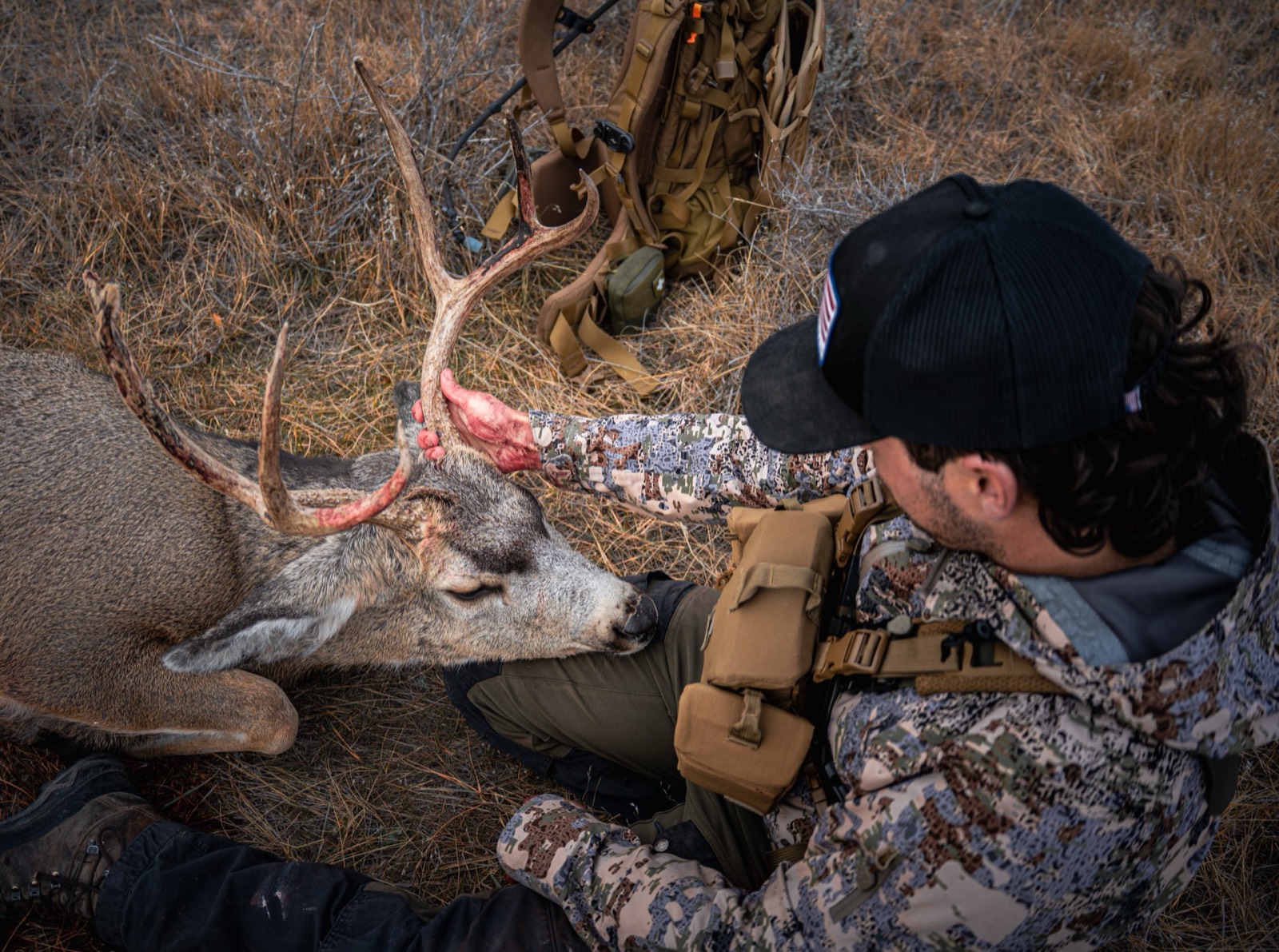
common opportunityColumbian black-tailed deer are the only deer here, and GMU 684 posts the highest modern-firearm deer success rate in District 17 (a five-year average around 34%) — a product of low hunter density on a small unit rather than trophy quality. Deer live in the dune brush, bog margins, and residential edges. The catch is access: the high-success ground is mostly private, so the number that matters more than success rate is landowner permission.
- →Nail down permission on a private parcel or focus on Leadbetter Point / refuge ground before you count on hunting here.
- →Hunt the brushy transition between dunes, bog margins, and timber edges at first and last light.
- →Still-hunt the dense shore-pine and spruce cover slowly — visibility is short and deer sit tight.
- →Time effort to the late-October/early-November blacktail rut for the best buck movement.
Black Bear
common qualityWDFW named GMUs 684 and 681 as the best places to harvest a bear in District 17 in 2017. Bears work the bog margins, brushy edges, and refuge/park cover on the peninsula and bayshore. As everywhere on the coast, bears are common but rarely seen in thick cover, so glassing openings and berry feed is the game.
- →Glass bog edges, brushy openings, and refuge/park clearings at dawn and dusk for feeding bears.
- →Key on ripe berry feed early in the fall before deer season pressure moves bears around.
- →Where you have private permission, watch damage areas (cranberry/hay ground draws bears and elk alike).
- →Sit fresh sign patiently rather than covering ground in the short-visibility cover.
Roosevelt Elk
limited lowGMU 684 is part of the Willapa Hills elk herd, but WDFW manages elk here to balance herd goals against crop conflict — elk cause severe damage to hay and cranberries on the peninsula. General elk opportunity is thin; the notable hunt is muzzleloader-only elk at Leadbetter Point, which requires a WDFW permit / hunt-by-reservation on refuge land. Treat elk as a controlled, low-odds opportunity rather than a general-season target.
- →Pursue elk here mainly through the Leadbetter Point muzzleloader permit/reservation hunt on the refuge — apply and read the special regs.
- →Scout the ag/cranberry damage zones and bay-margin cover where elk concentrate.
- →Coordinate with Willapa NWR on unit boundaries, closures, and reservation timing before hunting.
- →For general-season elk, expect better odds in the timbered Willapa Hills units (681, 672, 673, 658) than on this peninsula.
Cougar
limited opportunityCougars occur along the peninsula and bayshore at lower density than the timbered interior units. Most are taken opportunistically by deer hunters. The season is harvest-cap managed and can close mid-season, so check current hunt-area status.
- →Carry a tag as an opportunistic add-on while hunting deer in the brush and edges.
- →Hunt where deer concentrate; cougars follow the prey.
- →Check the cap-managed hunt-area status before and during your hunt.
Pro tips
- →684's headline stat — the district's highest deer success rate — is real but driven by low pressure on a small unit; the real gate is private-land permission.
- →Focus your public hunting on Leadbetter Point and the Willapa NWR South Bay unit, and call the refuge (360-484-3482) first for special regs.
- →On the refuge South Bay big-game unit, centerfire and rimfire rifles are prohibited — plan your weapon accordingly.
- →Elk here means the Leadbetter Point muzzleloader permit/reservation hunt, not a general-season pursuit.
- →It's one of the district's best bear units — glass bog and brush edges at dawn and dusk.
- →Bring a boat and a tide table for bayshore refuge access; time launches to workable tides.
Watch out for
- !Access is 'Poor' — most of the unit is private residential/cranberry land; get permission before hunting anything but the refuge and state park.
- !Refuge units carry special regulations: no centerfire/rimfire rifles on the South Bay big-game unit; Leadbetter elk is muzzleloader-only by permit/reservation. Contact Willapa NWR first.
- !This is a developed, populated peninsula — mind safe-shooting zones, private homes, and posted ground.
- !Elk are managed for crop-conflict here; don't plan a general-season elk trip around 684.
- !Tides can cut off or strand boat-based access on the Willapa Bay tideflats.
Logistics
The Long Beach Peninsula is well-developed for tourism, so lodging, fuel, and groceries are easy in Long Beach, Ilwaco, Seaview, or Ocean Park. That same development is the access problem — most of the huntable-looking ground is private residential or cranberry land. Public hunting is limited to Leadbetter Point (state park/refuge) at the north tip and the Willapa NWR South Bay unit along the bay (reached from 67th Place or by boat). Bring a boat and tide table if you plan to hunt bayshore refuge ground, and confirm refuge regulations before you go.
Nearest towns: Long Beach, Ilwaco, Ocean Park, Nahcotta, Seaview
Seasons & regulations
This page carries no season dates or regulations. Get current rules from the official Washington sources:
Research sources: WDFW 2024 District 17 Hunting Prospects — GMU 684 access rating (Poor), best-bear ranking, highest deer success, elk crop-conflict management · Willapa NWR Hunting — South Bay & Leadbetter Point units (GMU 684): rifle prohibition, muzzleloader elk by permit/reservation, access points · WDFW Game Management Units (GMU boundaries & maps)
FAQ
- How big is GMU 684 in Washington?
- GMU 684 (Long Beach) covers about 48 square miles, ranging from roughly 0 to 120 feet in elevation. Area is computed from the unit boundary polygon.
- How much public land is in GMU 684?
- Approximately 25% of the unit is public land. Primary managers: Private residential / cranberry landowners, Washington State Parks (Leadbetter Point), US Fish & Wildlife Service (Willapa NWR — South Bay, Leadbetter), Washington DNR. Always verify ownership boundaries on the ground.
- What species does the catalog list for GMU 684?
- Blacktail Deer, Black Bear, Roosevelt Elk, Cougar. For seasons, tags, and regulations, use the official Washington agency resources linked on this page — this page carries no regulatory information.
Put GMU 684 on your map.
Boundary lines, public/private ownership, topo, and offline maps for this unit — in Baseline Maps, free for 14 days.