GMU 699 Long Island
A boat-in federal island: archery-only Willapa refuge hunting for Roosevelt elk, blacktail, and bear.
WDFW Region 6 — Coastal / Willapa Hills (District 17) · Last reviewed 2026-07-12
Area
6
sq mi
Public land
100%
approx.
Elevation
0–280
feet
Motorized
wilderness
access
Overview
GMU 699 "Long Island" is a tiny (~6-square-mile) unit consisting entirely of Long Island in Willapa Bay, Pacific County — the whole GMU is owned and managed by the US Fish & Wildlife Service as part of the Willapa National Wildlife Refuge. It is accessible by boat only and is closed to modern-firearm and muzzleloader hunting; the island is open to archery hunting for Roosevelt elk, black-tailed deer, and black bear, with firearms and dogs prohibited. Long Island is part of the productive Willapa Hills elk herd and holds a famous old-growth western redcedar grove within its temperate rainforest. This is a low-pressure, do-it-yourself wilderness-feel hunt defined by tides, water access, and self-reliance rather than road logistics.
Terrain
A forested, low-lying island in Willapa Bay — gentle terrain rising from tidewater and salt marsh to modest wooded ridges. No high country; the challenge is water, tides, and dense coastal forest rather than elevation.
Cover: Coastal temperate rainforest of western hemlock, Sitka spruce, western redcedar, and Douglas-fir, including a protected old-growth cedar grove (the Cedar Grove / Don Bonker Cedar Grove). Dense understory of salal, huckleberry, ferns, and salmonberry, with salt marsh and tideflat fringing the shoreline. Thick, low-visibility cover throughout.
Landmarks: Long Island (Willapa Bay) · Old-growth western redcedar grove (Cedar Grove) · Willapa Bay tideflats and channels · Refuge boat launch / kiosk across from the island (US 101) · Designated island campsites (five areas, ~20 sites)
Access
WDFW rates GMU 699 access as 'Poor' because the entire GMU is USFWS refuge land reachable by boat only — hunters must provide their own boat to and from Long Island (access is easiest at higher tides, roughly 6 ft or higher). The refuge is closed to modern-firearm and muzzleloader hunting; only archery hunting for elk, deer, and bear (plus grouse) is allowed, and firearms and dogs are prohibited on the island. Camping is permitted in designated areas only (about 20 sites in five locations); during the early September archery elk season, campsites must be reserved at the kiosk across from the boat launch. Contact Willapa NWR (360-484-3482) for current regulations before you go.
Managers: US Fish & Wildlife Service (Willapa National Wildlife Refuge)
Access points: Refuge boat launch off US 101 across from Long Island (private boat required) · Designated island landing / campsite areas · Higher-tide (6 ft+) crossings of Willapa Bay channels
Species notes
Roosevelt Elk
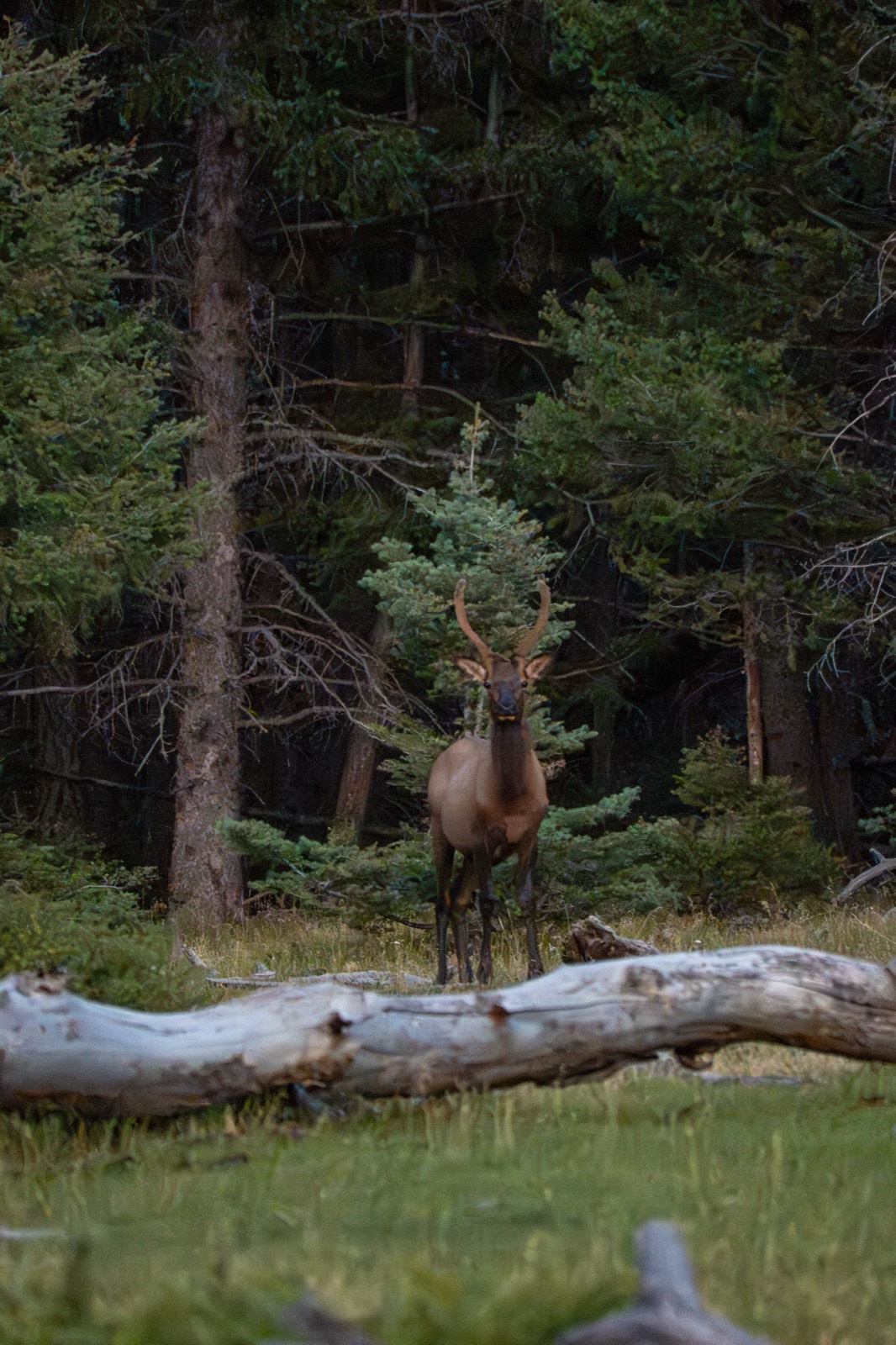
common opportunityLong Island carries Roosevelt elk of the productive Willapa Hills herd, and elk are the marquee draw here — the September archery elk season (about three weeks) is when the refuge requires campsite reservations, reflecting the interest. Because it's archery-only, boat-in, and firearm-closed, hunter numbers and disturbance are low, but the dense rainforest cover and self-supported logistics make it a demanding hunt. Not a trophy destination — the Willapa herd is short on mature five-point bulls — but a genuine quiet-country opportunity.
- →Plan a self-contained boat-in archery hunt around the September elk season; reserve a designated campsite at the kiosk in advance.
- →Scout the island's marsh edges, forest openings, and travel routes; still-hunt and call in the thick cover where shots are close.
- →Use the tides to your advantage for quiet movement and to reach different landings around the island.
- →Keep expectations on antlers modest — take the opportunity at a legal bull rather than holding for a giant.
Blacktail Deer
common opportunityColumbian black-tailed deer inhabit the island and are open to archery hunting only. Low pressure and boat-in access mean undisturbed deer, but the dense old-growth and rainforest understory make for short-range, close-cover archery hunting.
- →Hunt archery-close: still-hunt slowly through the understory and set up on trails, forest edges, and marsh margins.
- →Glass the few openings and shoreline edges at first and last light.
- →Time effort to the late-fall blacktail rut for the best buck movement, within the archery season.
- →Pack light and self-supported — everything comes and goes by boat.
Black Bear
common opportunityBlack bears live on Long Island (WDFW lists 699 among District 17 GMUs worth mentioning for bear) and are open to archery hunting. Bears work the berry-rich understory and marsh edges; as everywhere on the coast they're common but hard to see in thick cover.
- →Glass shoreline and forest openings for feeding bears at dawn and dusk.
- →Key on berry feed (salal, huckleberry, salmonberry) in the understory and edges.
- →Sit fresh sign patiently — archery range in this cover demands a close, undetected setup.
- →Combine a bear tag with a deer/elk archery trip to make the boat-in effort pay.
Pro tips
- →The whole GMU is federal refuge, archery-only, boat-in, with firearms and dogs prohibited — plan an archery, self-supported trip or don't go.
- →Reserve a designated campsite at the kiosk across from the boat launch before the September archery elk season.
- →Cross Willapa Bay at higher tide (6 ft+) and plan your exit around the tide so you aren't stranded on the flats.
- →Contact Willapa NWR (360-484-3482) for current refuge hunting regulations before your trip.
- →Low pressure is the payoff — undisturbed Willapa-herd elk and coastal blacktail on a boat-in island.
- →Pack fully self-contained: water, food, tide table, and marine forecast; there's no resupply on the island.
Watch out for
- !Boat access only — Willapa Bay tides and coastal weather can strand you or make crossings dangerous; check the marine forecast.
- !Archery only; modern-firearm and muzzleloader hunting are closed, and firearms and dogs are prohibited on the island.
- !Camp only in designated sites, and reserve during the September archery elk season — dispersed camping is not allowed.
- !Refuge special regulations govern the entire GMU — confirm with Willapa NWR before hunting.
- !The old-growth Cedar Grove and other sensitive areas warrant care; know the refuge rules and any closures.
- !No trophy expectations — the Willapa herd is short on mature bulls; this is a quality-experience hunt, not a big-antler unit.
Logistics
This is a boat-in, self-supported hunt with no road access and no vehicles on the island. Stage from the US 101 corridor near the refuge headquarters/boat launch across from Long Island; get fuel, groceries, and lodging in Naselle, South Bend, Raymond, or the Long Beach/Ilwaco area, then bring your own boat. Cross at higher tide (about 6 ft or more) and plan the return around the tide too. Camp only in the designated island sites (about 20 across five areas), reserving at the kiosk during the September archery elk season. Everything you need — water, food, gear, and any harvested game — moves by boat, so pack accordingly and check the marine forecast for Willapa Bay.
Nearest towns: Naselle, South Bend, Long Beach, Ilwaco, Raymond
Seasons & regulations
This page carries no season dates or regulations. Get current rules from the official Washington sources:
Research sources: WDFW 2024 District 17 Hunting Prospects — GMU 699 access rating (Poor), USFWS ownership, closed to modern/muzzleloader, bear mention · Willapa NWR Hunting — Long Island (GMU 699): archery only, no firearms/dogs, boat access, campsite reservations · USFWS Willapa NWR Big Game Hunting Brochure (Long Island archery elk/deer/bear, camping, tides)
FAQ
- How big is GMU 699 in Washington?
- GMU 699 (Long Island) covers about 6 square miles, ranging from roughly 0 to 280 feet in elevation. Area is computed from the unit boundary polygon.
- How much public land is in GMU 699?
- Approximately 100% of the unit is public land. Primary managers: US Fish & Wildlife Service (Willapa National Wildlife Refuge). Always verify ownership boundaries on the ground.
- What species does the catalog list for GMU 699?
- Roosevelt Elk, Blacktail Deer, Black Bear. For seasons, tags, and regulations, use the official Washington agency resources linked on this page — this page carries no regulatory information.
Put GMU 699 on your map.
Boundary lines, public/private ownership, topo, and offline maps for this unit — in Baseline Maps, free for 14 days.